
You shut off the engine and lock the doors, but the car doesn't stop using electricity completely. Its alarm, entry system, and other features may still need power. A small standby demand is usually normal. The question is whether that demand is appropriate and whether the battery can support it.
If the vehicle sits long enough, even normal electrical use can reduce its charge. An unwanted drain or a weak battery can shorten that time considerably. Knowing which situation applies is more useful than repeatedly jump-starting the car and hoping it will be ready the next morning.
Parked Cars Keep Some Electrical Systems Available
A security system needs power to watch for an intrusion, and keyless entry needs a way to recognize an unlocking request. Clocks, memory settings, and certain connected functions also require some electrical supply. These features explain why turning off the ignition doesn't disconnect the battery completely.
The vehicle is designed to manage that demand, but the exact equipment varies. A car with additional communication or convenience features may behave differently from an older, simpler model. Normal standby use should be evaluated against the manufacturer's information rather than a single current limit assumed to fit every vehicle.
Vehicle Electrical Modules Need Time To Enter Sleep Mode
After shutdown, control modules may finish tasks before moving into a lower-power state. The process can take time and may happen in stages. Opening a door, operating a remote, or connecting equipment can wake parts of the vehicle again, which changes what a technician measures during an electrical check.
That's why checking current immediately after parking can be misleading. The test needs the right conditions and enough time for the specific vehicle to settle. The shop may monitor the draw over a longer period to identify repeated wake-ups or a module that never reduces its consumption as intended.
An Unwanted Battery Drain Can Keep The Car Awake
A faulty module, switch, relay, or network problem can prevent normal sleep behavior. A trunk light that stays on is a simple example, but some drains have no visible clue. The battery can lose charge overnight even though you carefully switched off the lights and locked the doors.
Intermittent problems are especially frustrating because the vehicle may behave normally during a brief check. Details about parking duration, weather, locking habits, and recent repairs help. A proper investigation follows the unwanted current to its source instead of replacing the battery every time the car needs another jump-start.
Added Accessories Can Increase Parked Battery Use
Dash cameras, tracking equipment, audio accessories, and devices left plugged into a power outlet can increase electrical demand. Some outlets remain powered after shutdown, while others switch off. Even an accessory's advertised low consumption adds to the vehicle's normal standby use over many hours or days.
Tell the shop about equipment added after the vehicle was built, including devices connected to its service port. Tracking and monitoring equipment may draw power there while the engine is off. Install accessories with appropriate power management for the intended parking period, rather than leaving them connected on the assumption that every outlet shuts down.
Battery Condition Changes How Long A Parked Car Can Sit
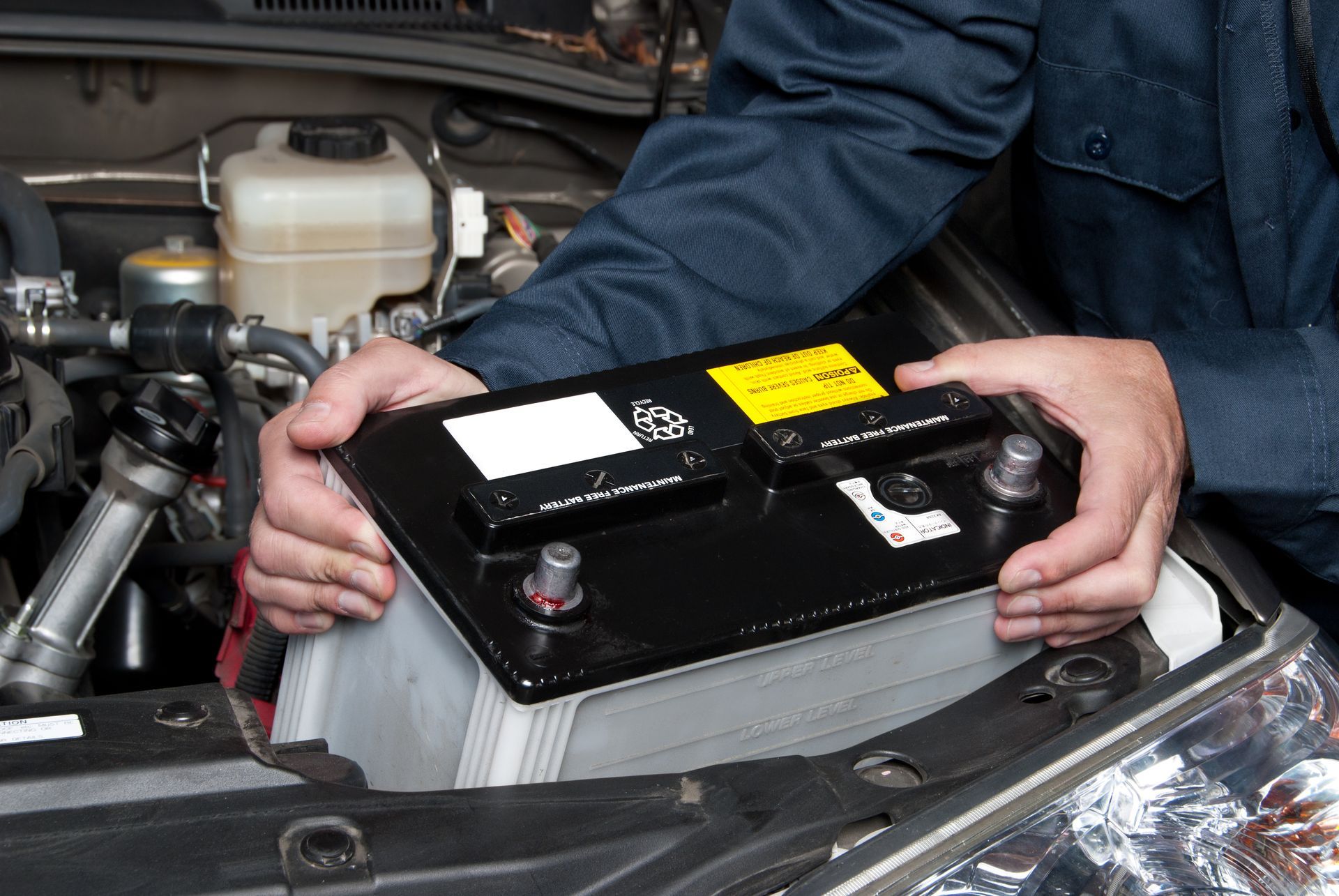
A healthy, fully charged battery has more usable reserve than an older or partly charged one. Heat, age, and repeated deep discharge can reduce its capacity. A normal standby load can therefore become enough to prevent starting when the battery no longer holds the charge it once did.
Short drives may also leave the battery below full charge, particularly when starting and electrical loads consume much of the energy replaced during the trip. Testing should consider battery condition, charging performance, and parked current. More than one contributor can be present at the same time.
Parking Habits Can Help Reduce Battery Trouble
For a vehicle used infrequently, follow the owner's manual guidance on storage and charging. A compatible maintainer can be useful when the parking arrangement supports safe use, but the equipment and connection method must suit the battery and vehicle. Disconnecting the battery casually can erase settings or create other service requirements.
Useful information to bring to the shop includes:
- How long the vehicle sits before starting becomes difficult.
- Which accessories stay connected while it's parked.
- Any repairs, battery replacements, or equipment installations before the problem began.
- How long and how often you drive between parking periods.
- Any interior or trunk light you notice staying on unexpectedly.
These observations give a repeatable electrical check a better starting point.
Repeated Overnight Battery Failure Needs An Electrical Check
A jump-start gets the vehicle moving, but it doesn't establish why the battery lost charge. Repeatedly running the battery flat can shorten its useful life and complicate the original problem. If the car regularly needs help after sitting overnight, arrange a check before relying on another morning jump.
The checks should cover battery condition, charging performance, and electrical use while parked. An intermittent drain may need longer monitoring to appear. Those results help explain whether the car needs a battery, a charging repair, or attention to something that's staying awake, rather than leaving you with another unexplained jump-start.
Get Battery Drain Checks In Middleburg, PA
Neil's Garage in Middleburg, PA, can check repeated starting trouble, battery condition, and electrical use while your vehicle is parked. Tell us how long it sits and what equipment stays connected so we can work toward the source of the problem.
Contact us to schedule a battery and electrical system inspection.