
An oil change without a fresh oil filter is only doing half the job. Clean oil matters, but it cannot stay clean if it is running through a filter that has already trapped thousands of miles of debris, carbon, and fine metal particles. The new oil starts its work inside a system that is still partly carrying the old mess.
That is why the filter should never be treated like an optional add-on. It is one of the main reasons an oil change protects the engine in the first place.
What The Oil Filter Actually Does
The oil filter traps contaminants as oil passes through the engine. Tiny particles are created during normal operation, even in a healthy engine. Heat, combustion byproducts, moisture, dust, and microscopic wear particles all accumulate in the oil over time.
The filter’s job is to trap as much of that material as possible before it keeps circulating through bearings, timing components, camshafts, and other internal parts. A good filter helps the oil do its job longer. An old filter makes fresh oil work harder right away.
Old Filters Can Restrict Oil Flow
An oil filter has a limit. Once it collects enough debris, oil has a harder time passing through it. If the restriction gets bad enough, the engine may rely on a bypass valve so oil can keep moving. That prevents oil starvation, but it also means some oil can bypass the filter.
That is not the kind of protection you want after paying for fresh oil. Oil flow is just as important as oil cleanliness. Our technicians replace the filter with every oil change because the engine needs both clean oil and steady circulation.
Fresh Oil Picks Up Old Contamination Fast
If the old filter stays on, the fresh oil is immediately exposed to what the filter has already collected. The filter media can be loaded with sludge, grit, and carbon. Even if the oil coming out of the bottle is clean, it starts traveling through a used part that has been working for months.
That is one reason skipping the filter does not really save money. It shortens the oil change interval and leaves the engine with less protection than it should have. A fresh filter gives the new oil a clean starting point.
Filter Quality Makes A Difference
Not every oil filter is built the same. The filter media, internal valve design, sealing gasket, and overall construction all affect how well the filter performs. A cheap filter that doesn't hold up well can cause problems long before the next oil change is due.
The right filter must match the engine and the oil service interval. Some engines need filters designed for higher pressure, finer filtration, or longer service life. Using the wrong filter can cause leaks, poor filtration, or flow concerns. That is why we use parts that fit the vehicle’s needs, not just whatever filter happens to thread on.
The Oil Filter Helps Protect Modern Engines
Modern engines place high demands on oil. Variable valve timing, turbochargers, timing chains, and tight internal passages all depend on clean oil moving at the right pressure. Small debris can affect these parts faster than many drivers expect.
A dirty or low-quality filter can make those systems more vulnerable. It does not have to cause a problem overnight. The wear builds quietly, then shows up later as noise, poor performance, warning lights, or repairs that feel much larger than a missed filter ever sounded.
Skipping The Filter Can Hide Other Problems
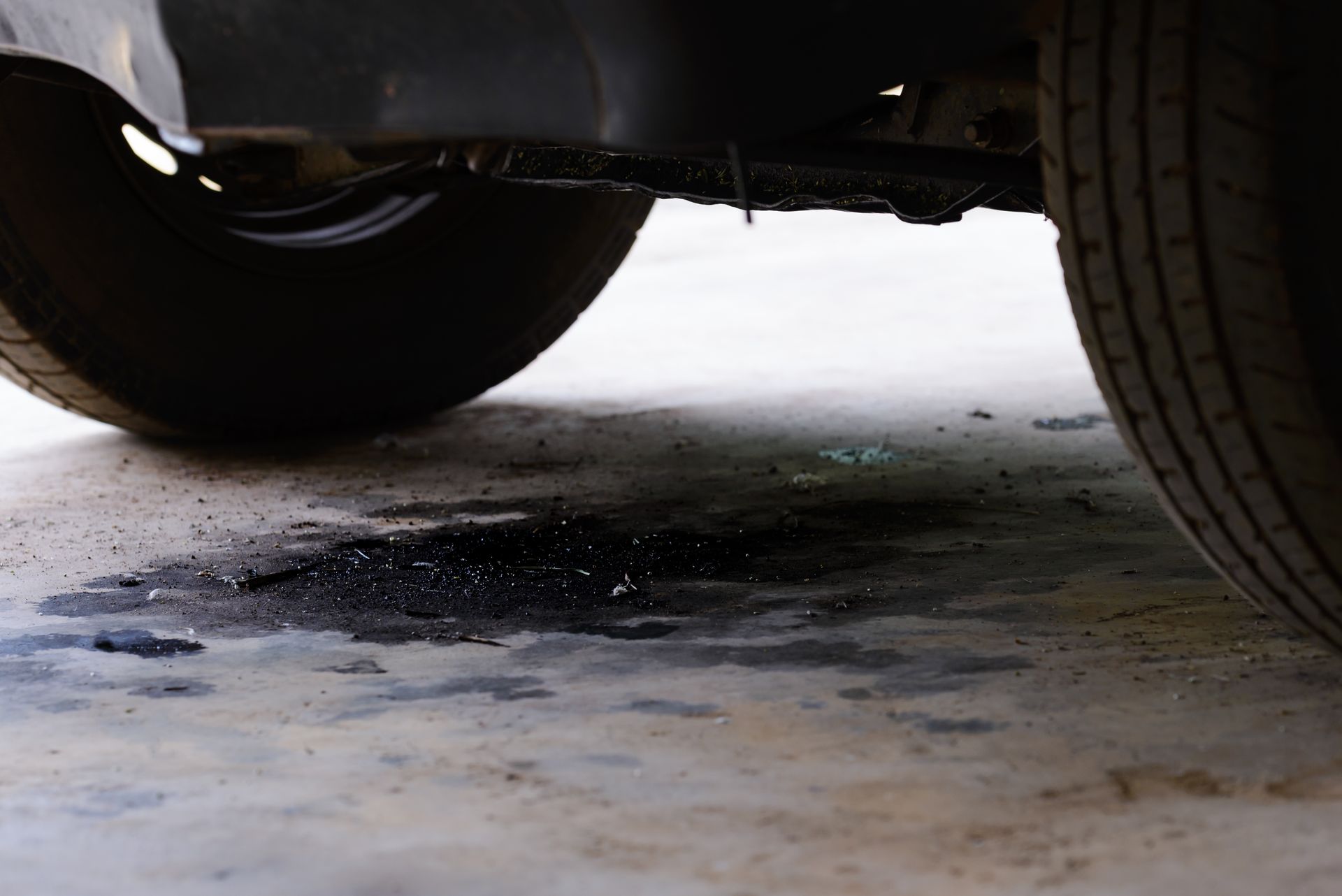
An oil change visit is also a good time to look around the engine. When the filter is removed and replaced, our technicians can spot oil leaks, damaged filter housings, worn gaskets, loose drain plugs, or signs of poor previous service. That quick look can reveal small issues before they turn into bigger messes.
Regular maintenance works best when it includes those small checks. A fresh oil filter is part of that process, but so is paying attention to the condition of the oil, the filter area, and anything unusual found during service.
Why Every Oil Change Should Be Complete
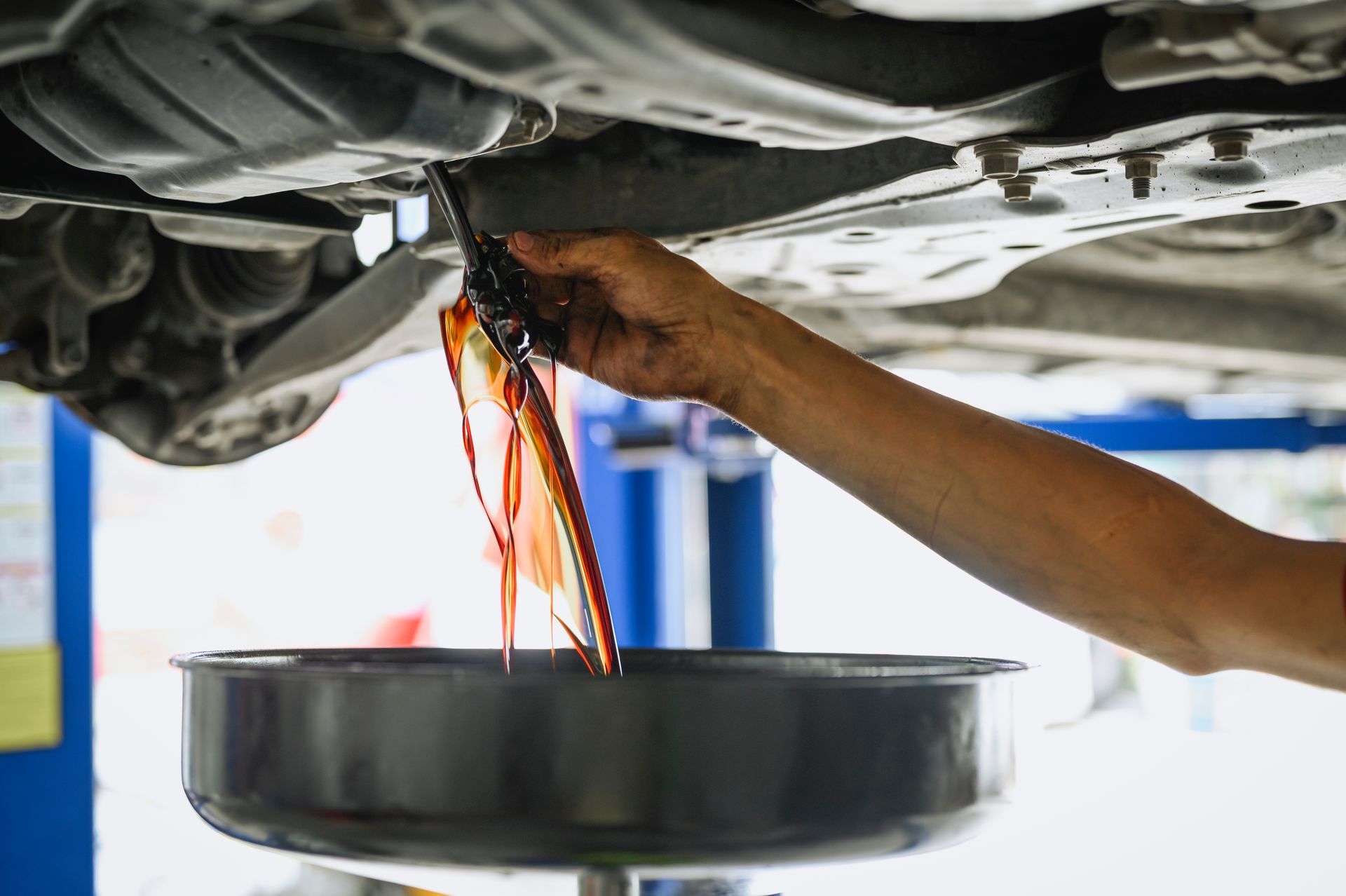
A complete oil change means draining the old oil, replacing the oil filter, installing the correct oil, checking the level, and making sure there are no leaks after service. Leaving the old filter in place breaks that process. It saves very little and gives up the protection the engine needs.
Drivers sometimes stretch oil service because the engine still sounds fine. The problem is that oil-related wear does not always announce itself early. Staying consistent with oil and filter changes keeps the engine's interior cleaner and gives key parts a better chance to last.
Get Oil Change Service In Middleburg, PA, With Neil's Garage
If your vehicle is due for an oil change, Neil's Garage in Middleburg, PA, can replace the oil and filter together, check the level, and perform an inspection for leaks or other early concerns.
Bring it in before old oil and an overdue filter start working against the engine.