
You head out in the morning, turn the key, and get nothing but a click or a slow crank. Last night it started fine, so it feels like the battery failed out of nowhere. In reality, a few repeat offenders can drain a battery fast while the car is parked.
Most of the time, the battery is not the whole story.
Why Batteries Can Fail Suddenly
Car batteries rarely go from perfect to dead overnight for no reason. As a battery ages, it loses capacity, so it can still start the car on a mild day but run out of reserve when a drain is present. That's why the failure can feel sudden even though the battery has been weakening for a while.
An overnight no-start usually comes from one of two things: the battery can't hold a charge anymore, or something is pulling power with the key off. Sometimes both are happening at once. The fastest way to stop the cycle of jump-starts is to figure out which one you have.
Parasitic Draw: Something Staying Awake
Modern vehicles keep certain modules awake for a short time after you park, and that is normal. The issue is when a component never goes to sleep, like a stuck relay, a module that keeps waking up, or a light that stays on in the trunk. Those small loads add up over hours, and the battery may be dead by morning. We've seen this happen after something as simple as a cargo light that won't shut off.
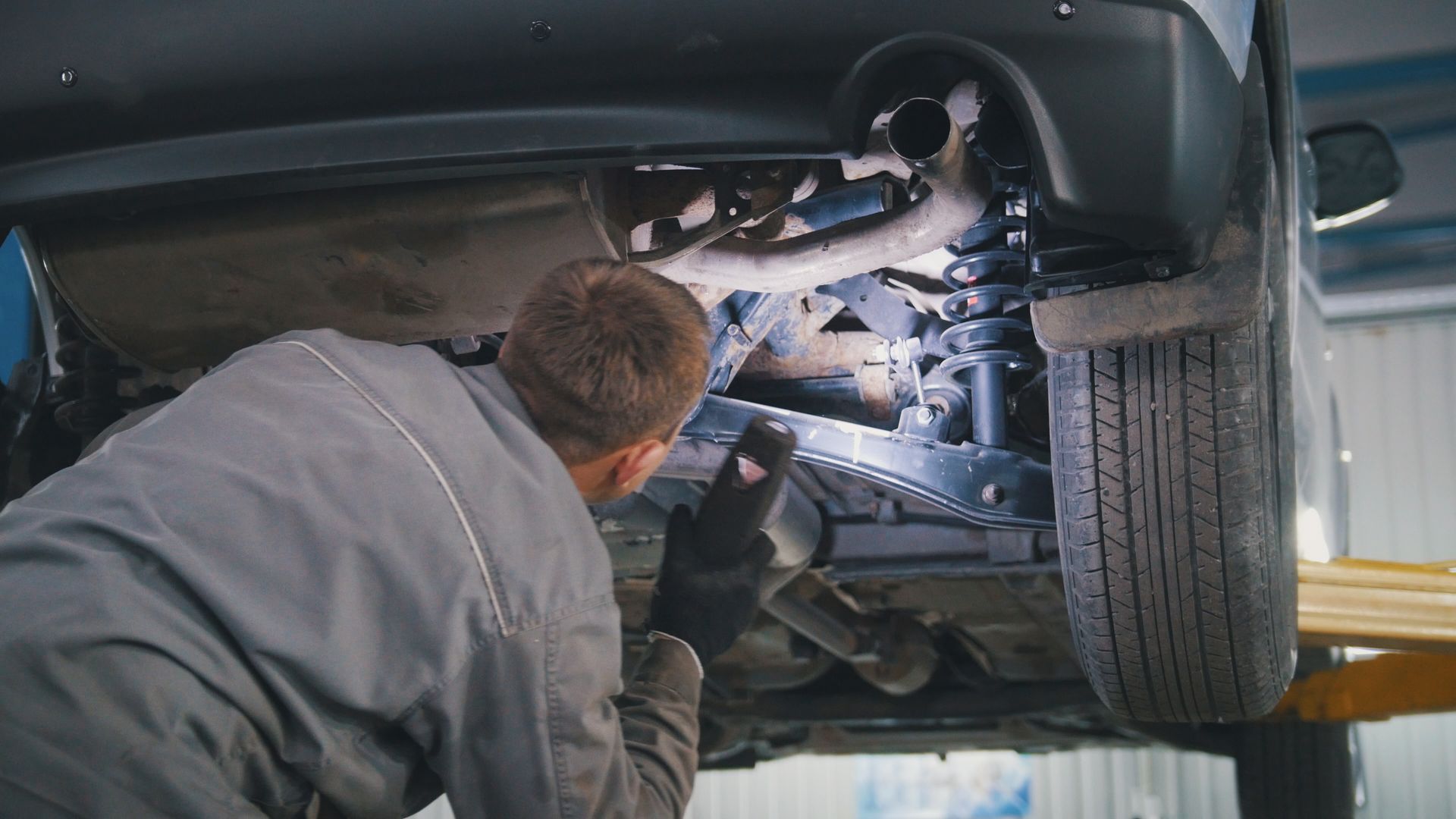
A simple inspection can catch the sneaky stuff drivers can't see from the seat. We look for signs like a warm relay, an aftermarket accessory tied in incorrectly, or a charger plugged into a port that stays powered. Even a door that isn't fully latched can keep interior electronics awake.
Charging System And Cable Problems
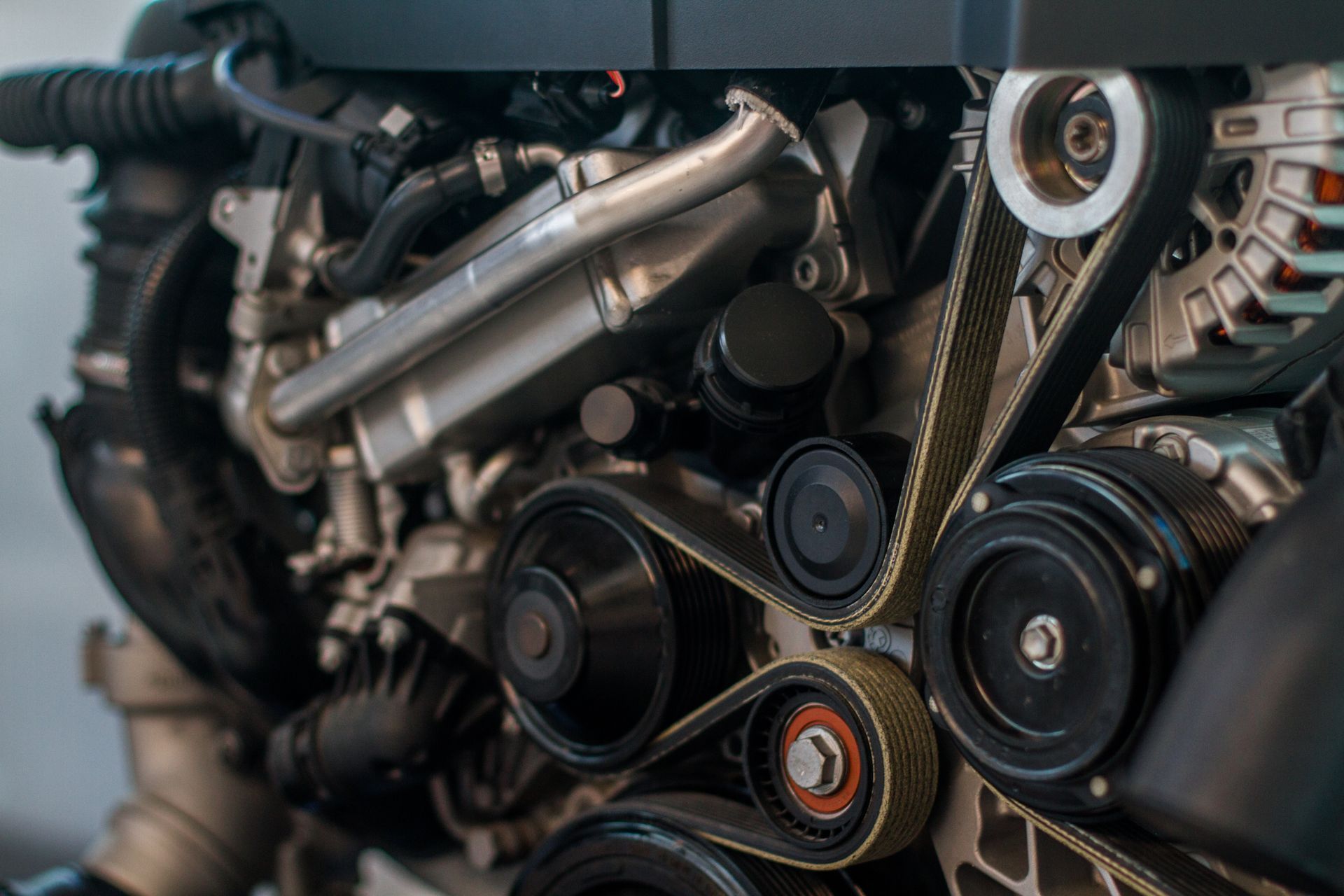
Sometimes the real problem isn't a drain, it's that the battery never got fully charged in the first place. A weak alternator, a slipping belt, or a failing voltage regulator can undercharge the battery without an obvious warning. The car may run fine while driving, then struggle to restart after sitting.
Battery cables and terminals can cause the same headache. Corrosion or a loose connection adds resistance, so the alternator has a harder time replenishing the battery. You might notice a slow crank, flickering lights, or an intermittent no-start that seems random.
Batteries That Are Weak Even If They Seem Fine
A battery can show 12.6 volts and still be unable to deliver the amps needed to start the engine. Internal plate damage or sulfation can reduce cold-cranking power even when the voltage looks okay. When that happens, the battery may work after a long drive, then fail after sitting overnight.
This is where a load test beats guessing. A jump-start can mask the problem, and so can a charger that tops it off temporarily. Testing shows whether the battery can actually hold and deliver power, not just display surface voltage.
Habits And Conditions That Kill Batteries Fast
Short trips are hard on batteries because starting the engine uses a big chunk of energy. If the car only runs for a few minutes, the alternator may not have time to put that energy back. Add headlights, rear defrost, and phone charging, and the battery can stay in a constant deficit.
Extreme heat and cold shorten battery life, too. Heat speeds up internal aging, while cold makes the engine harder to crank and the battery less efficient. In that situation, regular maintenance helps because it includes checking charging output and battery health before the first no-start morning.
Quick Things To Check Before Morning
If you get home and you're worried it might happen again, do a quick walk-around and look for lights that shouldn't be on. Trunk and cargo lights are common, and you can miss them if the lid isn't fully closed. Make sure nothing is plugged into a power port that stays live, especially older USB adapters that get warm.
If the car needs a jump, try not to keep repeating it for weeks. Frequent jump-starts can stress the battery and make it harder to tell what started the problem. Write down when it happens, how long the car sat, and whether it was cold, because that pattern points to the real cause faster.
Get Battery Testing In Middleburg, PA With Neil's Garage
If your battery keeps dying overnight, Neil's Garage can test the battery, verify charging output, and track down hidden drains that steal power while the car sits. You'll get a clear explanation of what failed and what will actually solve it.
Let's get you back to reliable starts.