
A rough idle on a cold engine can feel random. One morning it shakes a bit at a stop, the next morning it seems fine, and by the time you’ve driven a few minutes it usually smooths out. That pattern makes it tempting to ignore, but it’s also a useful clue. Cold starts put more stress on fuel, air, and ignition systems, so small weaknesses show up sooner.
If you catch the cause early, you can often prevent the rough idle from turning into misfires, stalling, or annoying drivability issues all winter.
Why Cold Starts Make Small Problems Feel Bigger
When the engine is cold, fuel doesn't atomize as well, so the computer has to add more fuel to keep things stable. The idle speed is usually higher at first, and the engine relies on sensors to adjust quickly as it warms up. If one sensor is slow, one seal is leaking air, or one ignition component is weak, the engine feels it right away.
Cold weather also thickens fluids and increases electrical demand. That does not automatically mean something is wrong, but it shrinks the margin for parts that are already borderline. Once the engine warms up, the system can compensate better, which is why the roughness often fades and convinces drivers it was nothing.
The Early Pattern That Helps You Narrow It Down
Pay attention to the first minute. Does it stumble only right after startup, or does it act up when you drop into Drive at the first stop sign? Does it happen only after the car sits overnight, or even after a few hours at work? Those details matter more than people think.
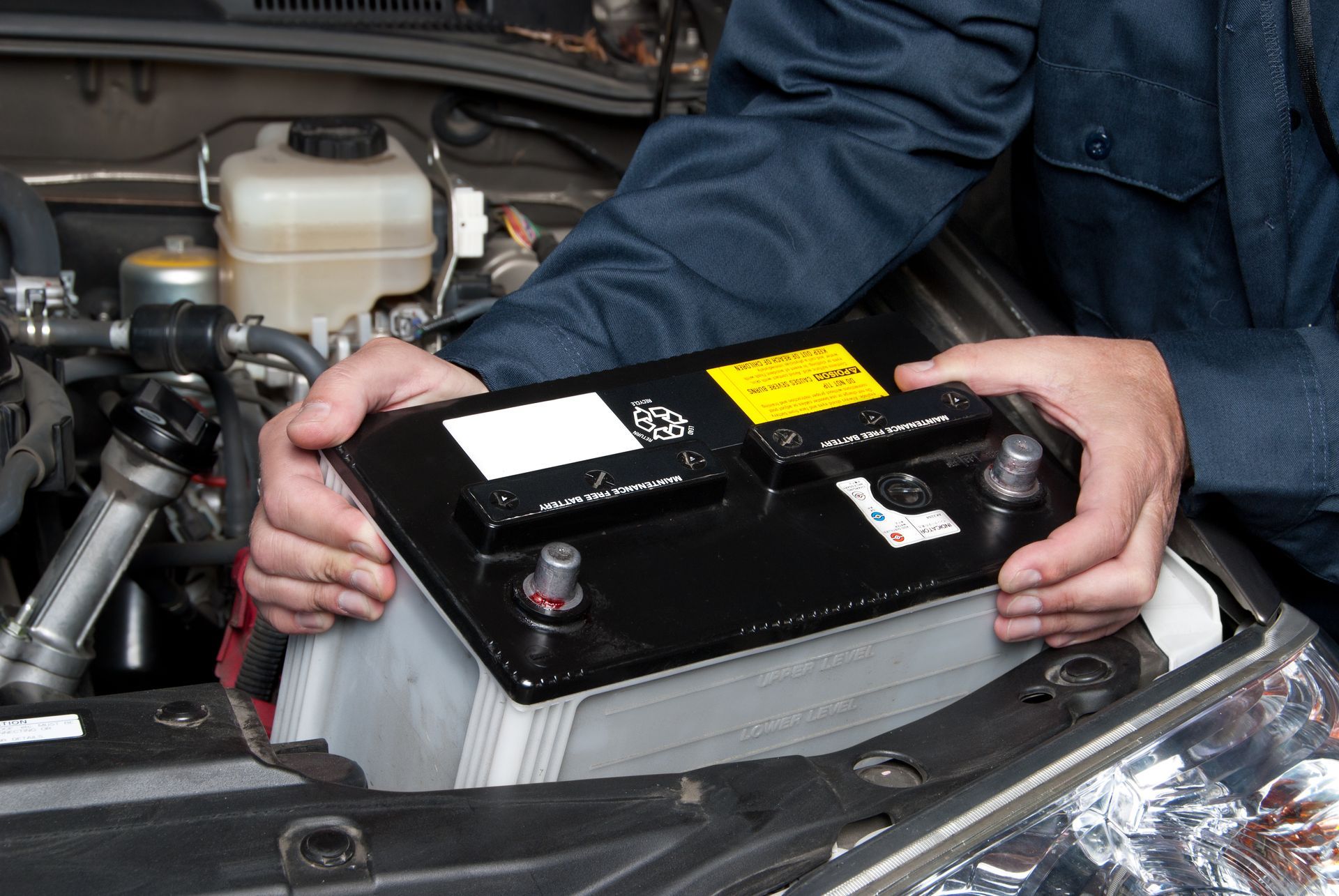
If the idle is rough for 10 to 30 seconds and then settles, that often points to air and fuel management during warm-up. If it stays rough until the temperature gauge starts moving, you start thinking about mixture control, coolant temperature input, or an ignition problem that improves as components heat up. If it is rough only when you turn on the defroster or headlights, a weak battery or charging issue can also be part of the story.
Air Leaks And Dirty Intake Parts That Show Up Cold
Unmetered air is a common cause of a cold, rough idle. Small vacuum leaks can be sneaky because rubber seals shrink slightly when cold and seal better once warm. That means a tiny crack in a hose, a hardened gasket, or a loose connection can cause a rough idle early and then disappear as things expand.
Throttle body buildup can also contribute, especially on higher-mileage vehicles. If the throttle plate or idle air passages are dirty, airflow control at idle gets less precise. The engine may hunt, surge, or stumble until it stabilizes. We see this often when the car has been mostly used for short trips, where moisture and deposits build up faster.
Fuel Delivery Issues That Act Worse Before The Engine Warms
Cold engines need a little extra fuel to run smoothly, so fueling problems show themselves sooner. A weak fuel pump, restricted fuel filter on vehicles that still use serviceable filters, or a fuel pressure regulator issue can make the engine feel lean and shaky at idle. In some cases, you may notice it hesitates slightly when you first pull away, then drives fine once warm.
Injectors are another possibility. A partially clogged injector can deliver uneven fuel, most noticeable at idle. On the other side of the spectrum, an injector that drips after shutdown can create a brief rich condition at startup, which can cause rough running until the extra fuel clears out. It’s not something you can reliably guess from the driver’s seat, but the warm-up pattern is a helpful clue.
Ignition Weakness That Smooths Out After A Few Minutes
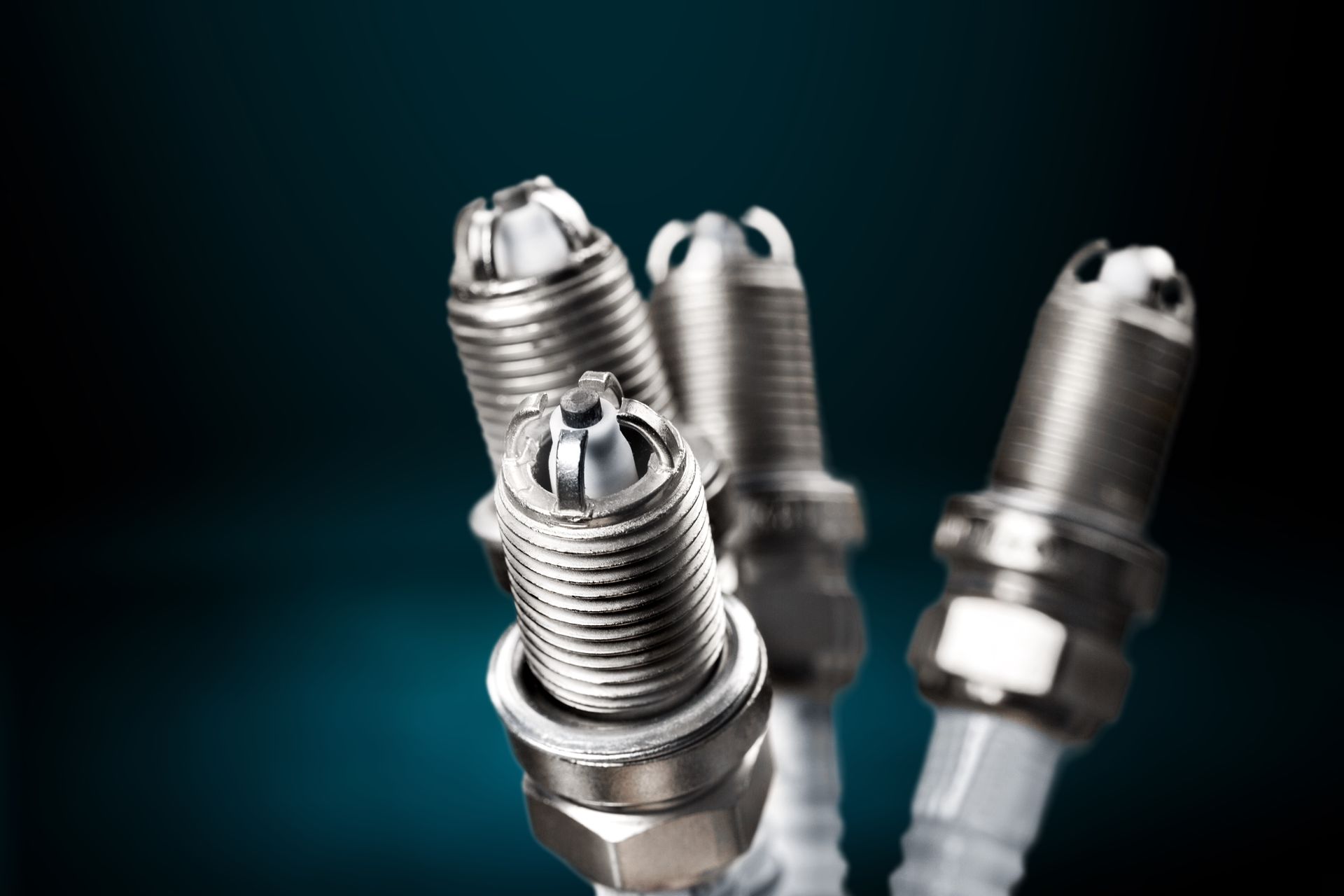
Spark plugs and ignition coils can cause a rough idle that improves with heat. A worn plug gap demands more voltage to fire, and a coil that is starting to weaken may struggle most when everything is cold and the mixture is richer. That can show up as a small misfire at idle or a slight shake at the first stop.
Moisture can make this worse too. Damp mornings can increase the chance of a marginal coil or boot leaking spark, especially if there is oil in a plug well from a small valve cover seep. If the rough idle comes with an occasional stumble under light acceleration, ignition moves higher on the list.
Owner Mistakes That Keep The Rough Idle Coming Back
One common mistake is ignoring the check engine light if it turns on briefly and then goes away. Even if the light is not on anymore, the computer may have stored information that points to what happened during the rough idle. Another mistake is throwing a random sensor at it because a code reader suggested one part, when the real cause is an air leak, wiring issue, or fuel pressure problem.
We also see drivers compensate without realizing it. Letting the car idle longer every morning, revving it to smooth it out, or repeatedly restarting it can mask the issue without fixing it. The better move is noting the pattern and getting it checked while the symptom is still consistent and easier to catch.
Get Engine Diagnostic And Repair in Middleburg, PA, with Neil's Garage
If your engine idles roughly when it’s cold and then smooths out, we can check the common causes and pinpoint what’s actually behind the warm-up stumble. We’ll look at airflow control, fueling behavior, and ignition performance so you’re not guessing or replacing parts at random.
Get that rough idle sorted in Middleburg, PA, with
Neil's Garage, and we’ll help you get back to a steady, smooth start every morning.