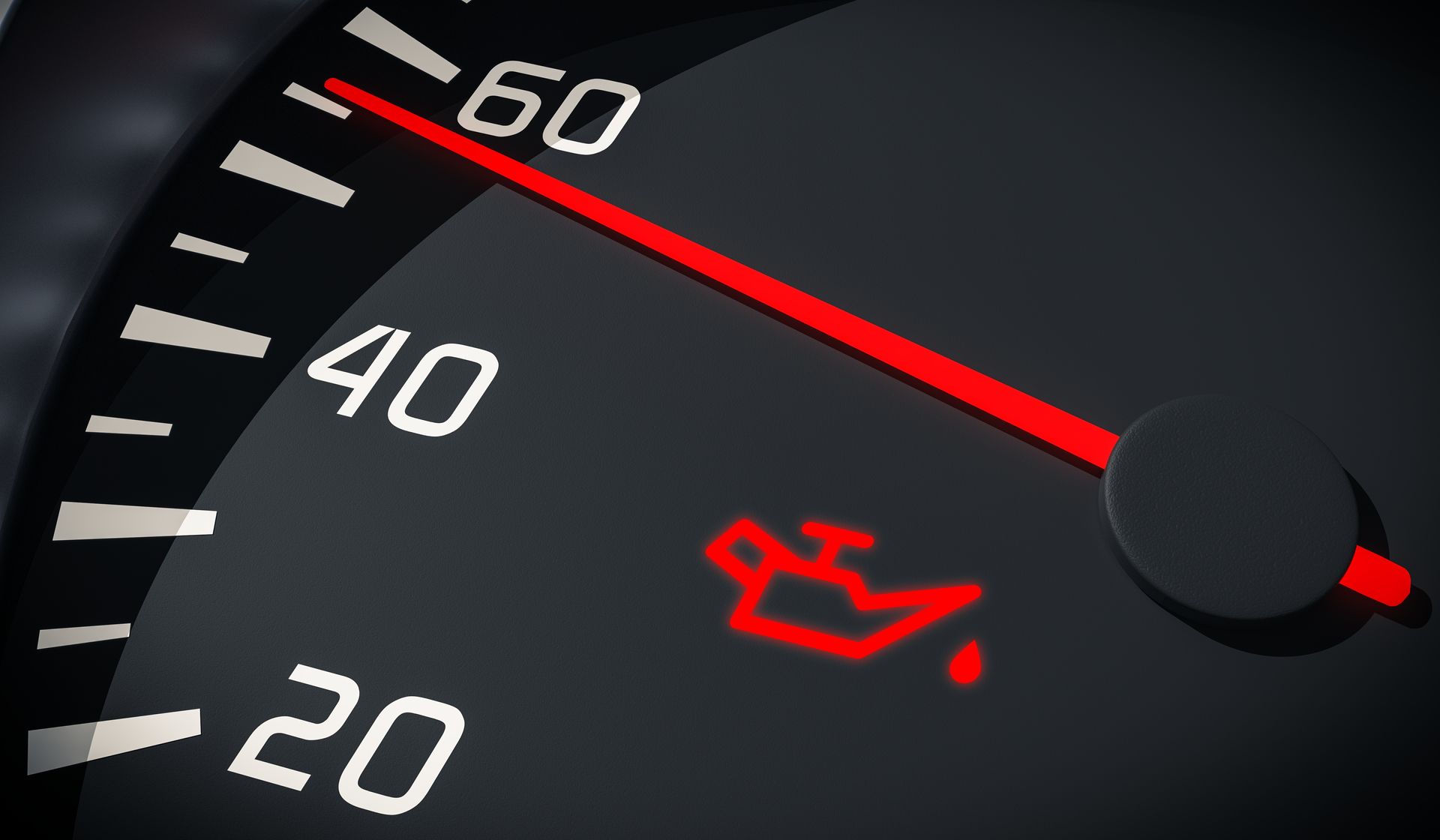

When that little amber engine icon pops up, it can make your stomach drop. The car might still run fine, so it is tempting to keep driving and hope it goes away, but that light is the car’s way of saying the computer has seen something out of range.
Why Modern Cars Turn On the Check Engine Light
The engine computer constantly watches sensors for data on air, fuel, exhaust, and ignition. When something does not match the expected values, it stores a fault code and turns on the check engine light. Some issues are as simple as a loose gas cap, others involve misfires, emission controls, or fuel delivery, and the light alone cannot tell you which part is at fault. Guessing based only on how the car feels often leads to unnecessary parts and frustration.
Solid vs Flashing Light
A solid check engine light usually means the computer has found a problem that affects emissions or performance, but does not look immediately severe. The vehicle will often drive normally or with only mild symptoms, yet it is still worth scheduling a diagnostic soon, because driving for weeks with a known fault can wear on other parts.
A flashing check engine light is much more urgent. It commonly means the computer is seeing active misfires that can damage the catalytic converter if you keep driving. If the light is flashing and the engine feels rough, it is safer to ease off the throttle and arrange for the car to be checked as soon as you can, rather than pushing it hard.
Common Causes Behind a Check Engine Light
There are hundreds of possible codes, but many check engine lights come down to a few familiar patterns. Some of the more common causes include:
- Loose, damaged, or missing gas cap or other evaporative system leaks
- Failing oxygen sensors that affect how the computer adjusts fuel mixture
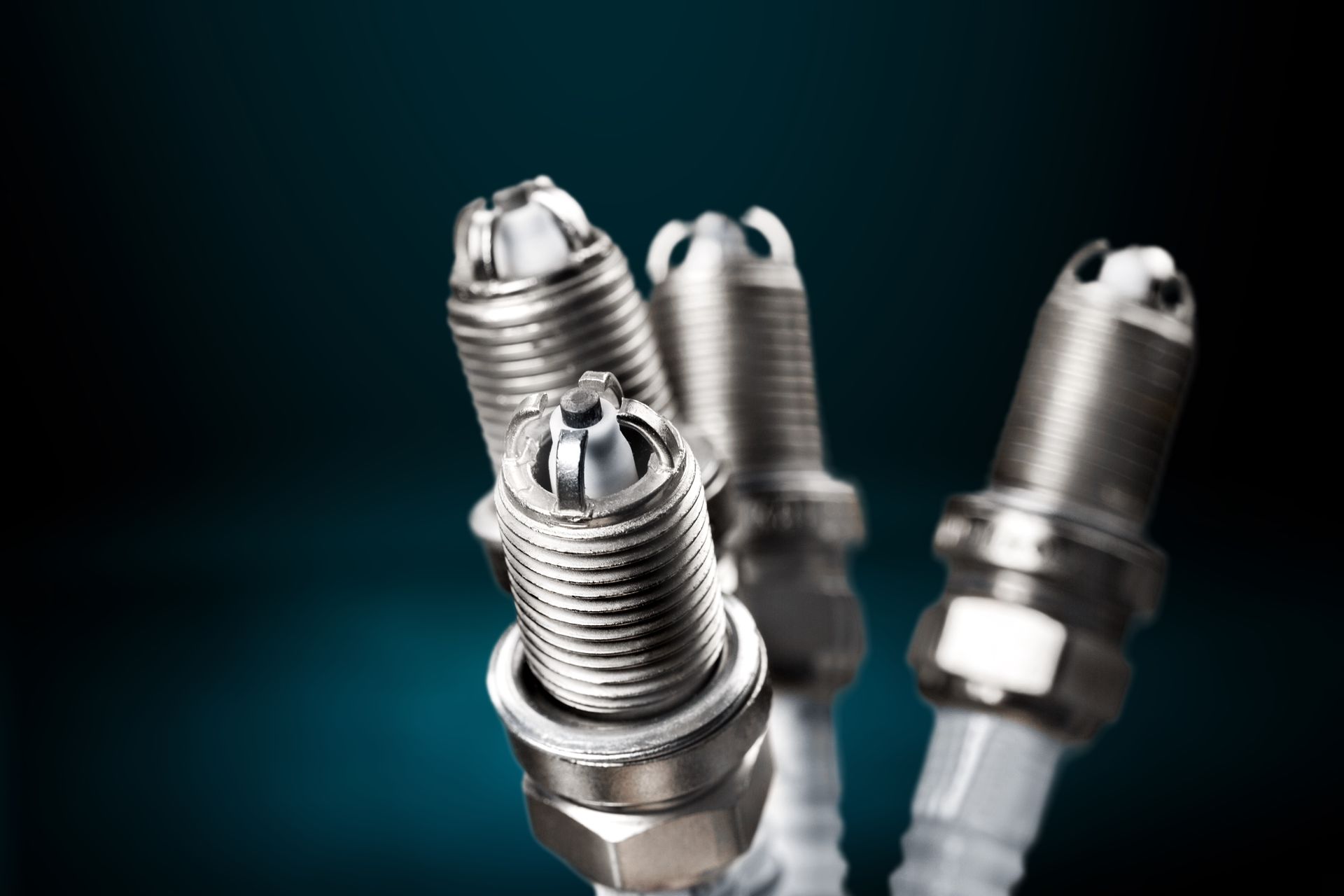
- Misfires from worn spark plugs, weak ignition coils, or bad plug wires
- Problems with the catalytic converter or exhaust leaks near key sensors
- From the driver’s seat these can all feel similar, which is why a proper scan and test plan beats throwing random parts at the problem.
Symptom Timeline: How Problems Usually Develop
Many check engine issues start small. At first, you might see the light come on once, then go out on its own after a few trips while the car still feels normal. Over time, the light may stay on constantly or return more quickly after you clear it, and you may notice rough idle, hesitation, poor fuel economy, or a stronger exhaust smell.
In more advanced stages, the engine can lose power, struggle to start, or go into a reduced power mode, so catching the issue when the light is the only symptom usually means a simpler repair.
Mistakes Drivers Make With a Check Engine Light
Some of the costliest repairs start with good intentions but the wrong approach. Common mistakes include:
- Ignoring the light for months because the car “still drives fine”
- Clearing codes repeatedly with a small scanner without fixing the cause
- Replacing random parts based on internet guesses instead of testing
- Continuing to drive hard with a flashing light and clear misfires
We have seen many cases where a simple sensor or ignition problem, handled early, would have been far cheaper than the larger repairs that followed months of driving with the light on.
How Technicians Diagnose Check Engine Light Issues
When you bring a vehicle in with a check engine complaint, our technicians start by confirming basics such as fluid levels, obvious wiring damage, and any unusual noises or smells. Then we connect a scan tool to read stored and pending codes and to look at live data from sensors while the engine runs, so we see what the computer is seeing rather than just reading a code number.
Depending on the codes and data, further tests might include checking fuel trims, smoke testing the intake or evaporative system for leaks, or measuring sensor signals with a meter. A good diagnosis ties together the code, the data, and the symptoms so the repair actually solves the problem instead of just clearing the light for a few days.
Get Check Engine Light Diagnosis in Middleburg, PA with Neil's Garage
We handle check engine light problems every day and know how to separate minor issues from ones that can damage your engine or catalytic converter. We will explain what the codes mean in plain language and outline repair options that fit your situation.
Call
Neil's Garage in Middleburg, PA, to schedule a check engine light diagnosis so you can drive with confidence again.