
Oil leaks rarely start as an emergency. They start as a damp seam, a small spot on the driveway, or a faint burnt smell after a longer drive. Because the car still runs fine, it is easy to treat it like a cosmetic problem and put it off.
The issue is that leaks usually do not stay small, and the damage is not always where the drip lands.
Why Small Leaks Get Worse Over Time
Heat cycles and vibration keep working on the same weak point. A gasket edge hardens, a seal shrinks, or a connection loosens slightly, and the seep turns into a steady drip. Once oil starts leaving the system, the engine has less margin, especially if the oil level is not checked often.
Oil also collects dirt, and dirt holds moisture and heat. That grime can accelerate the aging of rubber parts and hide the true leak path. This is why waiting often increases the cost, even if the leak itself did not look dramatic at first.
How Low Oil Creates Real Engine Wear
Oil level matters more than the size of the spot on the ground. If the engine runs low, lubrication and cooling protection drop quickly in high-contact areas. That can increase wear on timing components, bearings, and valvetrain parts, especially on longer drives or hot days.
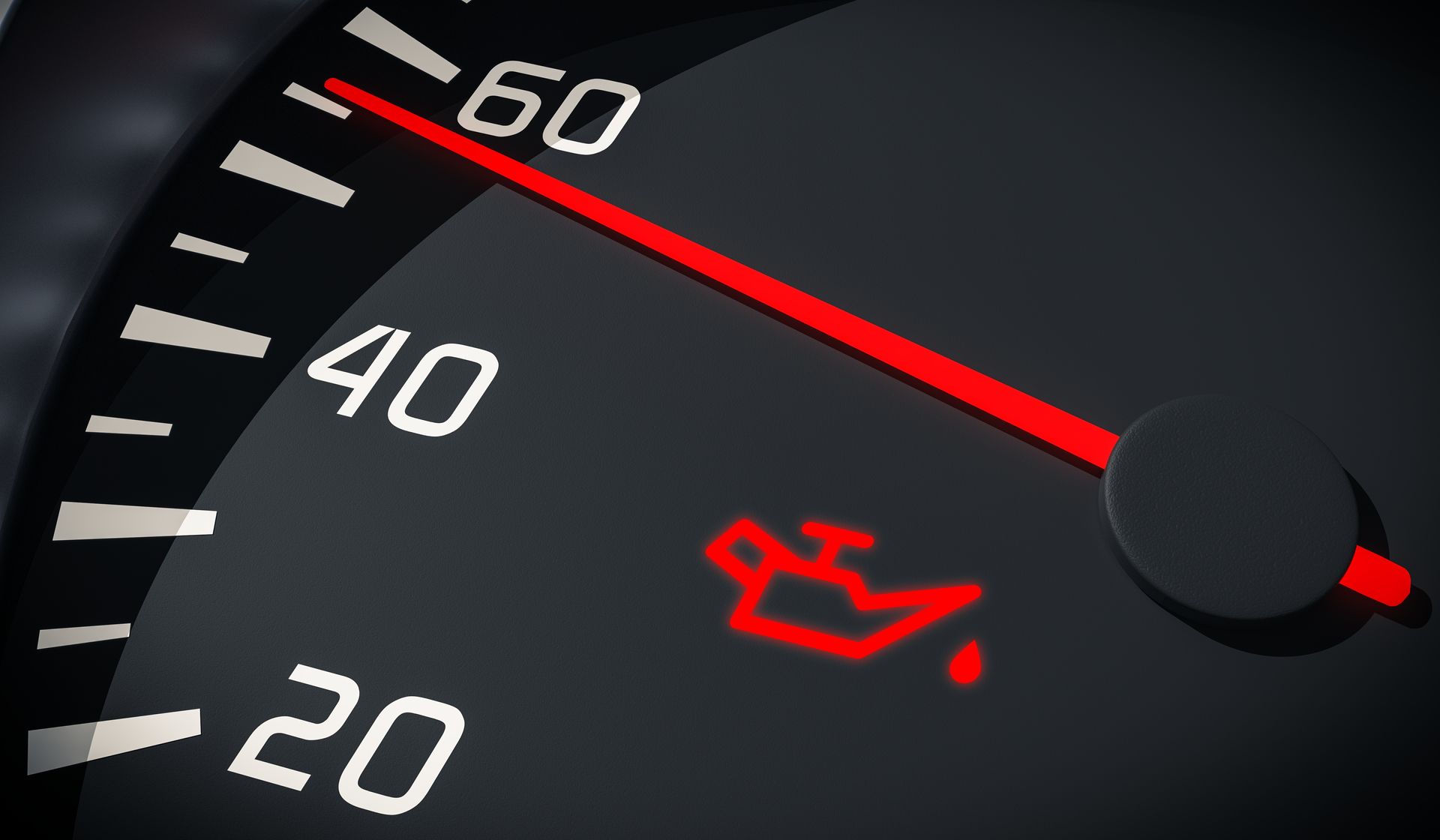
Some engines also consume a small amount of oil as they age, so a leak on top of that can drop the level faster than you expect. The driver may not notice any warning until the oil light comes on, and at that point the risk is already higher. Keeping the level in range buys time, but it does not solve the leak.
Oil Leaks That Can Spread And Create Secondary Problems
Oil does not always drip straight down. It can run along the engine, coat the lower cover, and drip from an edge that makes the source hard to identify. It can also reach parts that it should not.
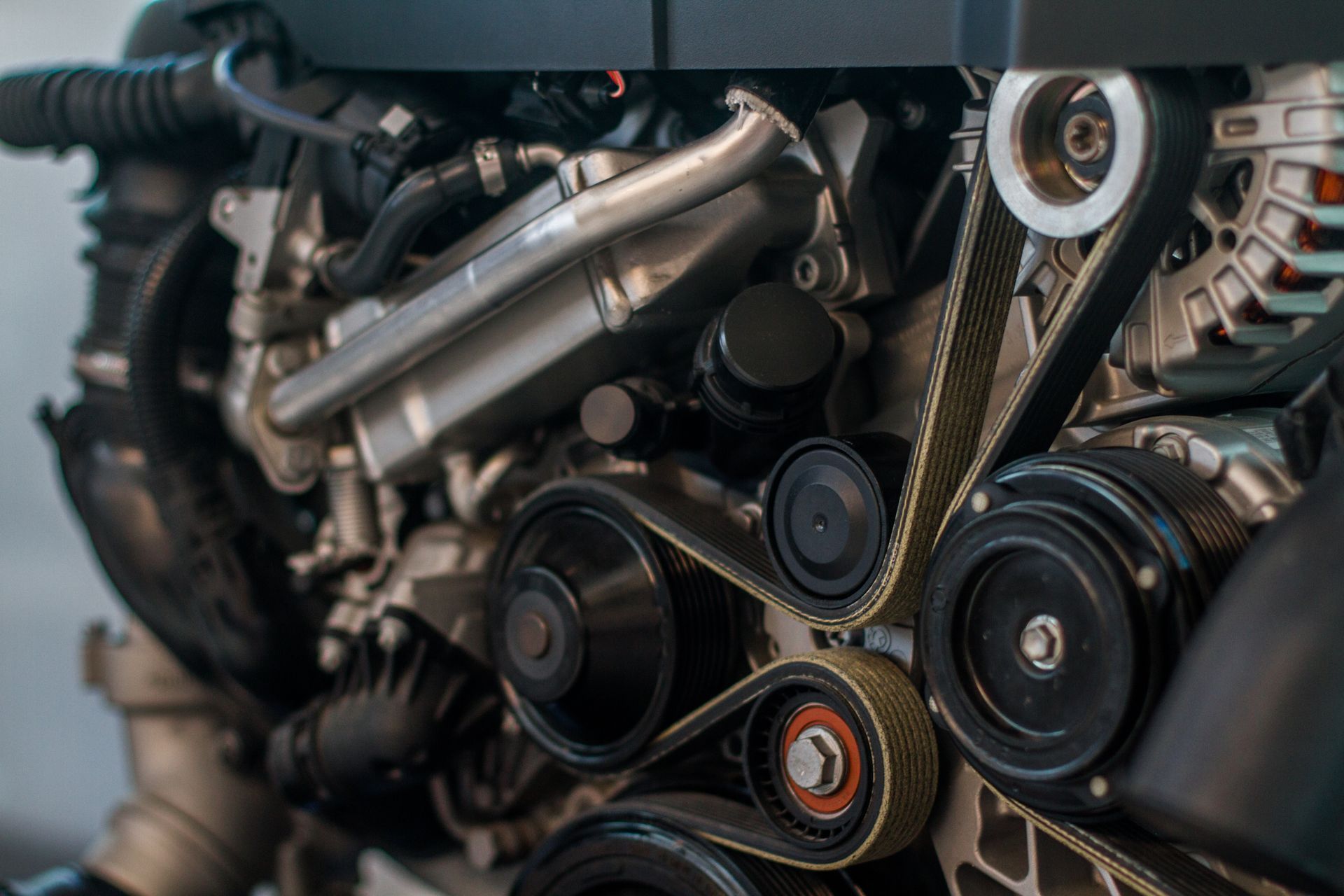
Oil on rubber belts can shorten belt life and increase the chance of slip. Oil on engine mounts can soften the rubber and create vibration. Oil that lands on hot exhaust parts can create smoke and strong odor, which is unpleasant and can be mistaken for other problems.
Leak Sources We Often See First
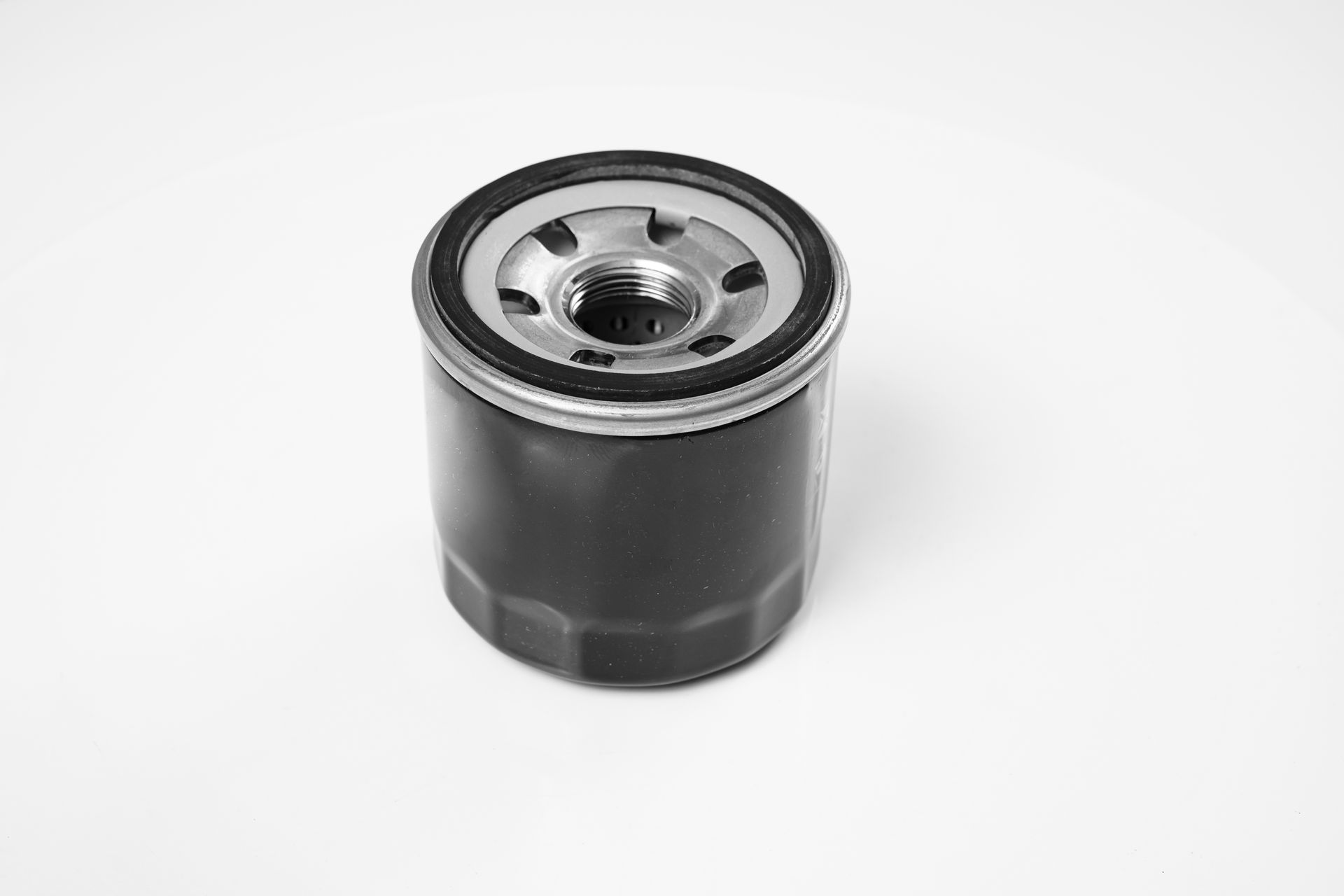
Many common leak points are predictable. Valve cover gaskets sit high and can leak down the engine, making the leak look worse than it is. Oil filter housings and seals can leak, especially if the leak began after recent service. Oil pan gaskets and drain plug sealing surfaces can also seep and leave clear spots on the ground.
Front crank seal leaks can sling oil around pulleys, which spreads oil and dirt quickly. Rear seal leaks can appear near the engine and transmission seam and may be mistaken for other leaks. A proper inspection focuses on fresh wetness and leak paths, not just old grime.
How To Prevent A Small Leak From Turning Into A Big Repair
The simplest prevention is checking oil level regularly and not stretching oil service intervals too far. Fresh oil helps seals stay healthier and reduces sludge that can increase crankcase pressure. Regular maintenance also helps because oil leaks are easier to spot when the engine is not coated in old residue.
It also helps to address small related issues that push leaks to worsen. A clogged PCV system can raise crankcase pressure and force oil past weak seals. A loose filter or damaged sealing surface can make a small seep persist until it is corrected. Fixing the root cause is what keeps the leak from returning.
Safe At-Home Checks That Help You Act Early
You do not need special tools to gather useful information. If you see spots, check the oil level on level ground when the engine is off and has cooled a bit. Note how often you need to add oil, because that pattern matters.
Here are a few practical checks that help:
- Look under the car after it sits overnight and note where the spot forms
- Check oil level weekly for a short period to see if it is dropping
- Watch for burning smell after parking, especially after longer drives
- Look for fresh wetness around the oil filter area if it is visible
If you notice smoke from under the hood or the oil light comes on, stop and handle it quickly. Those are signs the leak is no longer minor.
What We Do During Inspections
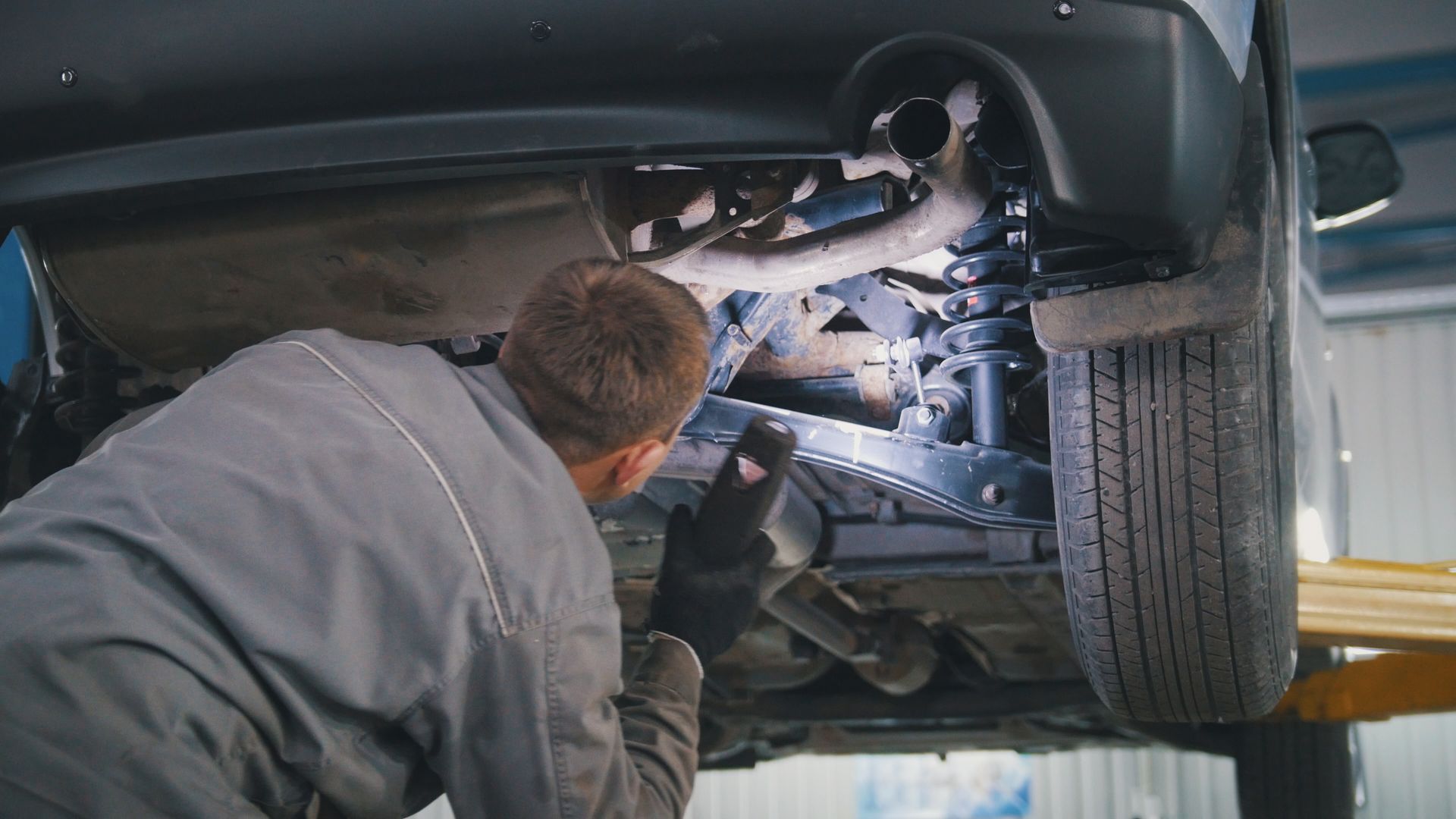
We identify the fluid, clean key areas, and trace where fresh oil is coming from. Some leaks are obvious once the area is clean, while others need a short drive and recheck to reveal the path. In some cases, dye is used to pinpoint slow leaks.
We also check for reasons the leak started. PCV issues, past service mistakes, and aging seals can all play a role. The goal is not just stopping the drip, but stopping the cause so it does not return in the same way.
Get Oil Leak Repair In Middleburg, PA, With Neil's Garage
Neil's Garage in Middleburg, PA, can trace the source of your oil leak and recommend the right fix before low oil leads to expensive wear. We will also check the oil level and look for related issues like crankcase pressure problems that can make leaks return.
Book a visit and get a clear plan for what to repair now and what can be monitored.