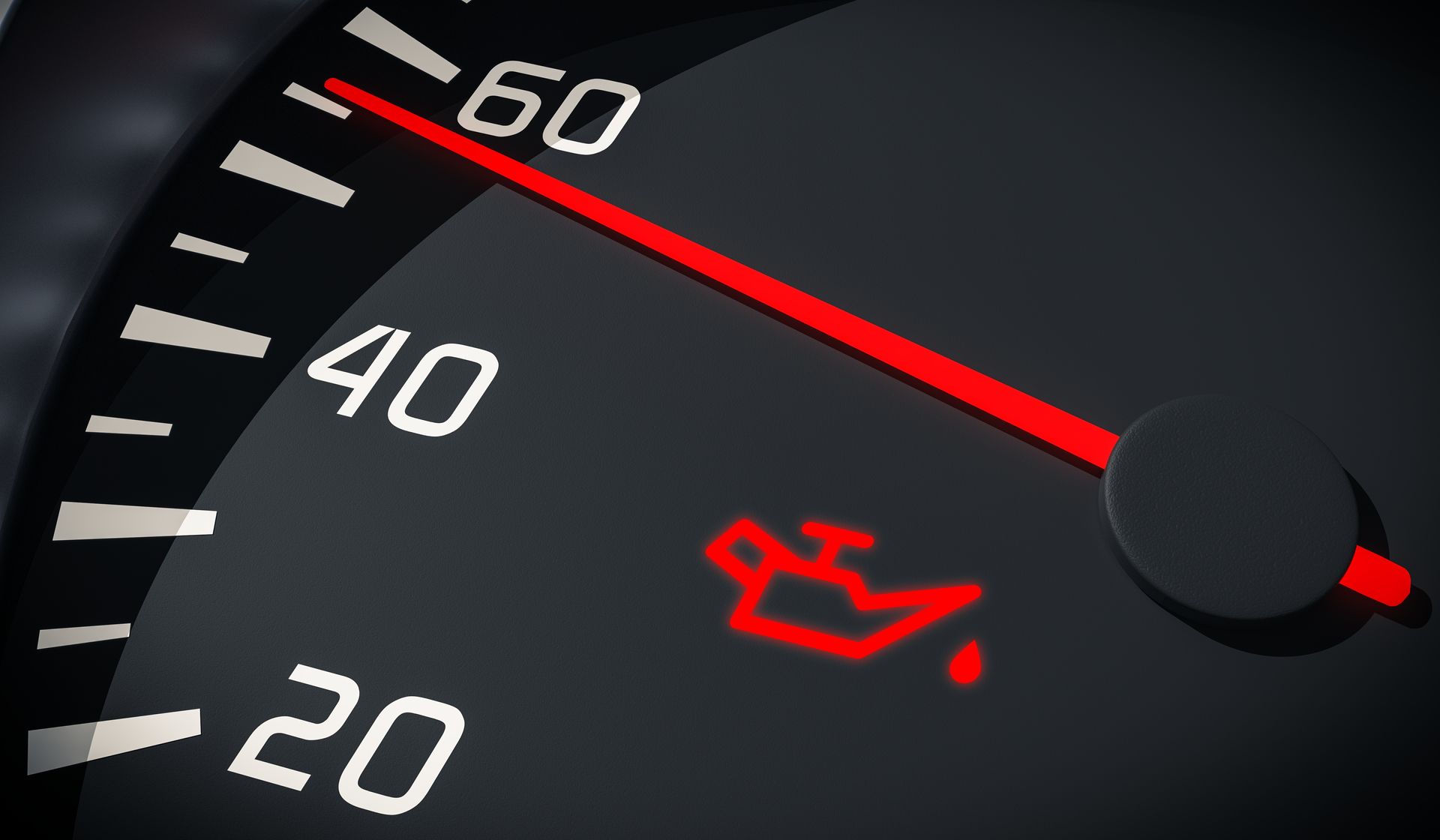

Oil changes feel routine, yet they are the service that keeps every other system healthy. Fresh oil cushions moving parts, carries away heat, and keeps deposits from sticking where they should not. Waiting too long can turn quiet wear into obvious noise, higher temperatures, and the kind of sludge that is hard to reverse.
The right interval is not a single number for everyone. It depends on how and where you drive, the oil your engine requires, and the vehicle’s age and design.
Factory Intervals vs. Real Life
Your owner’s manual lists a normal schedule and a severe service schedule. Many drivers fall closer to severe without realizing it. Frequent short trips, long idle time, stop-and-go traffic, dusty roads, hot summers, and very cold winters all count as severe. If your routine includes several of those, follow the shorter interval. Oil life monitors help, but they estimate based on patterns. They do not directly measure oil contamination. Treat their reminders as a guide, then adjust based on your conditions.
Why Short Trips Age Oil Faster
Engines make moisture and a small amount of fuel blow-by as a normal part of combustion. On a long drive, the heat evaporates that moisture and burns off fuel dilution. Short hops across town never reach that steady temperature. Water and fuel stay in the crankcase, which thins the oil and lowers its protective strength. That is why a car that sees mostly school runs and errands can need time-based service even if the mileage is low. If most of your drives are under ten minutes, plan more frequent changes.
Turbos, GDI, and Towing: Modern Factors to Consider
Turbocharged engines rely on a thin, fast-moving oil film to protect the turbo’s bearings. Old or overheated oil can leave coke deposits in the feed and return passages. Gasoline direct injection creates finer soot than older port injection, and more of those particles reach the oil. Towing, roof boxes, and mountain grades raise temperatures and stress the additive package. For any of these uses, trim the interval slightly and be strict about the correct specification. Following time rather than waiting for mileage is a smart habit during busy seasons.
The Role of Oil Type and Specification
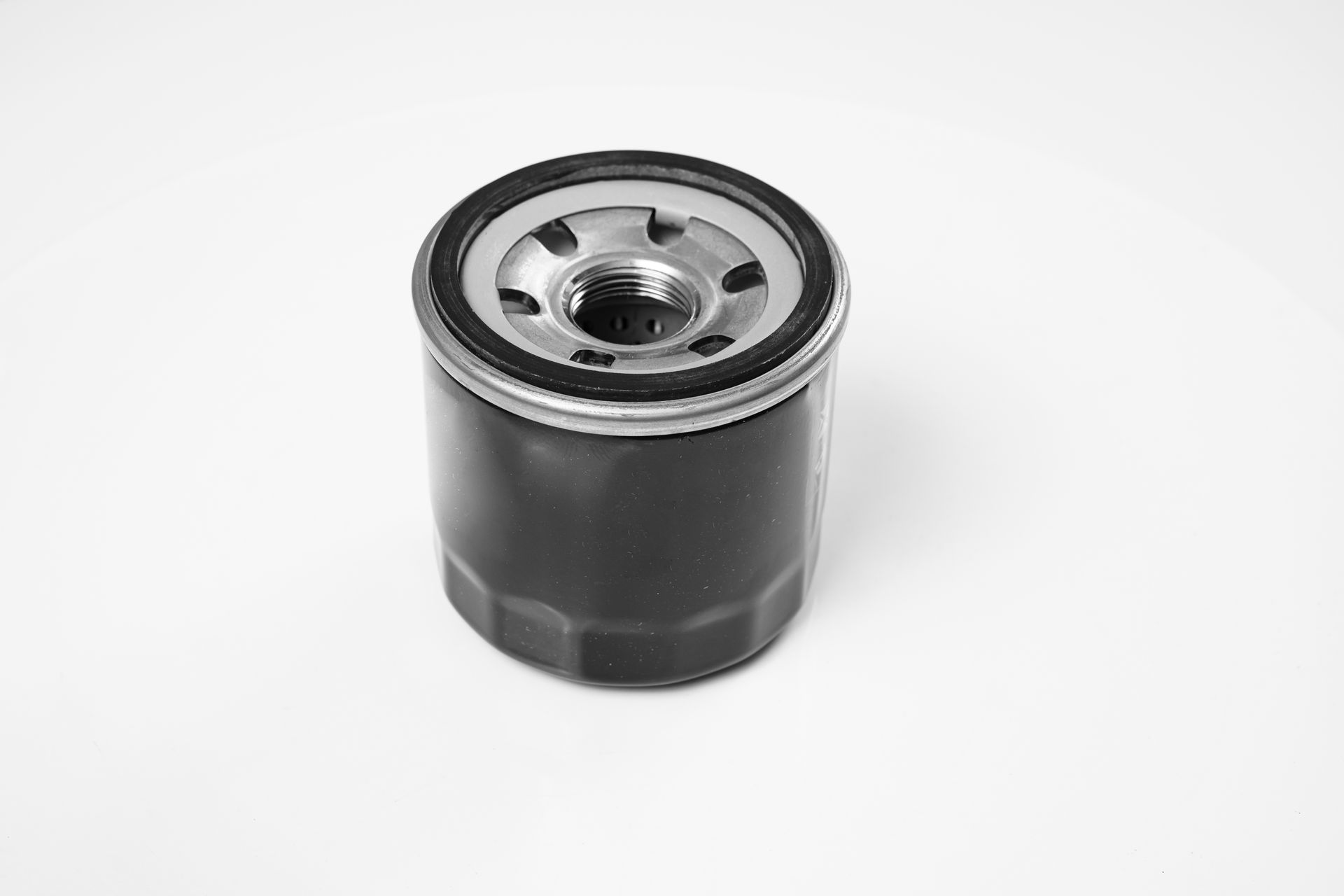
Synthetic oil resists heat and oxidation better than conventional oil, which allows longer intervals when conditions are ideal. That does not mean any synthetic is fine. Use the exact grade and specification your engine calls for, such as a manufacturer specific approval. Those specs define how the oil behaves at high temperature, how it protects timing components, and how it handles soot and fuel dilution. A premium filter matters too. Filters with strong media and anti-drainback valves protect cold starts and keep debris out of tight passages.
Signs You Need an Earlier Change
Oil condition is not just a mileage number. Watch and listen for small clues that the interval is too long for your routine.
- A brief rattle on the first start of the morning
- Oil that smells strongly of fuel or looks unusually dark and gritty early in the interval
- Idle that feels rougher after a week of short trips
- Rising oil level on the dipstick from fuel dilution
- A faint ticking after a hot highway run
If you notice two or more, move your next change earlier and ask for a quick inspection.
Simple Checks You Can Do Between Services
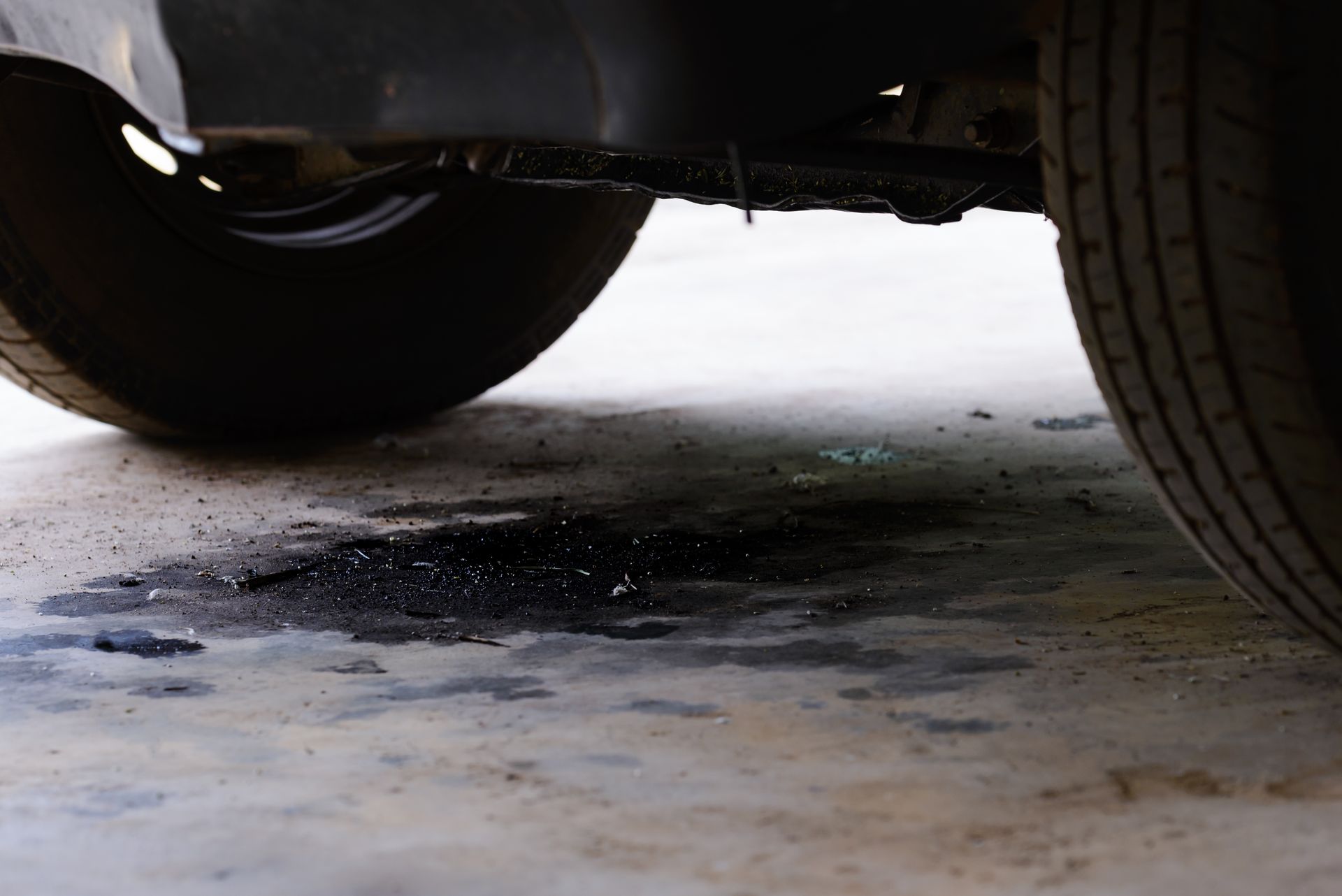
Make a habit of checking the dipstick on a level surface with the engine cool. The level should sit near the full mark without climbing above it. Look for fresh seepage around the filter, drain plug, and valve cover. If you top up, use the same oil type and grade as the last service. Keep a note of how much you add and when. Small consumption can be normal, but sudden changes deserve attention. If your vehicle has an oil life monitor, use it as a cross-check rather than the only decision maker.
Set a Practical Interval That Fits Your Driving
For mixed driving without towing, many vehicles do well around five to six thousand miles on quality synthetic oil. Severe use can bring that closer to four to five thousand miles or a firm time limit, often six months. Low-mileage drivers should not exceed the time guideline, since oil ages even when the car sits. Pair oil service with inspections of the air filter, PCV system, and belts, as these components can significantly impact oil life and the engine's overall performance. A simple calendar reminder keeps the routine predictable and removes the guesswork.
Keep Your Engine Protected with Neil’s Garage in Middleburg, PA
If you want an interval tailored to your commute and seasons, we can help. Our technicians use the correct oil specification, install premium filters, check for leaks, and set a service schedule that matches how you drive rather than a generic number.
Schedule a visit with
Neil’s Garage in Middleburg, PA, and we will keep your engine quiet, clean, and well protected for the miles ahead.