
Coolant does its job quietly. You rarely notice it unless something goes wrong, and by then, the problem can already be serious. The engine temperature may start creeping up, the heater may not work the same, or the system may begin losing efficiency without any clear warning.
That is where questions about coolant flushes come in. Many drivers are unsure if it is necessary or just another service recommendation. The answer depends on how the cooling system works and what happens when coolant is left unchanged for too long.
What Coolant Actually Does Inside Your Engine
Coolant is not just about keeping the engine from overheating. It also helps regulate temperature, protect against freezing, and prevent corrosion inside the cooling system. That means it is working through the radiator, water pump, heater core, and the internal engine passages simultaneously.
Over time, coolant breaks down. It loses its ability to control temperature and protect metal components. Once that happens, the system becomes more vulnerable to overheating, buildup, and internal wear.
What Happens When Coolant Gets Old
As coolant ages, it can become contaminated and less effective. Rust, scale, and debris can begin to form inside the system. That buildup restricts flow and reduces the cooling system’s ability to do its job.
Old coolant can also lose its corrosion protection. When that happens, internal components like the radiator and heater core are at greater risk of damage. The system may still function, but it is no longer working the way it should.
How A Coolant Flush Helps Restore The System
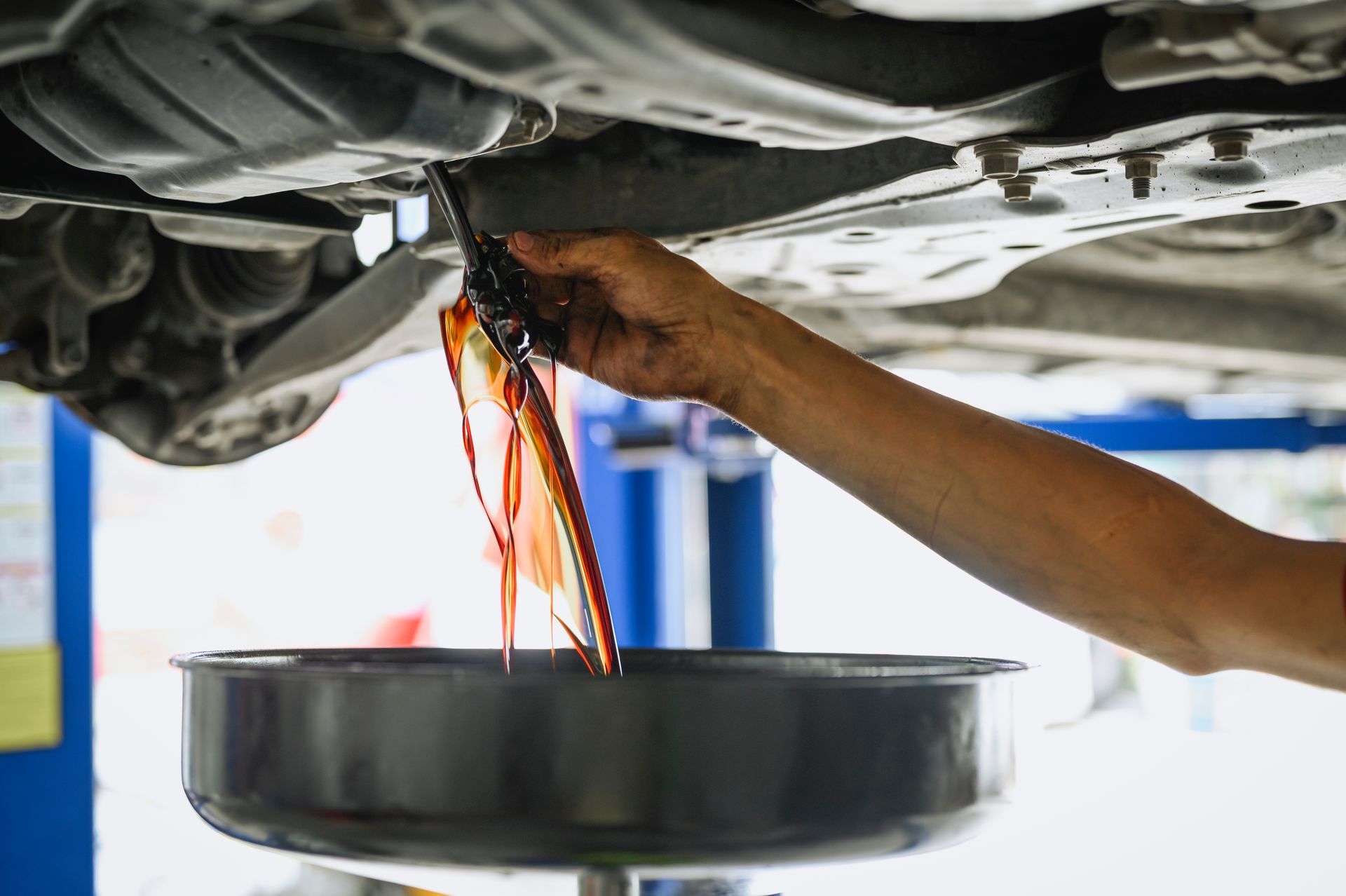
A coolant flush removes old fluid and any buildup or contaminants from the system. Fresh coolant is then added, restoring the system’s ability to regulate temperature and protect against corrosion.
That process helps improve flow, reduce internal wear, and bring the cooling system back to proper condition. It is more thorough than simply topping off or partially draining the coolant.
Why A Simple Top-Off Is Not Enough
Adding coolant without removing the old fluid only solves part of the problem. It may restore the level, but it does not address contamination or breakdown inside the system.
If the coolant is already degraded, topping it off leaves those issues in place. Over time, that can lead to restricted flow, overheating, or component damage that could have been avoided with a proper flush.
When A Coolant Flush Becomes Necessary
Coolant flush intervals vary by vehicle and driving conditions, but signs of aging coolant should not be ignored. Discolored fluid, overheating, or reduced heater performance are all reasons to have the system checked.
Regular maintenance schedules often include coolant service for a reason. Staying on schedule helps prevent the system from reaching the point where damage begins.
Why Cooling System Issues Can Get Expensive
Cooling system problems tend to spread when they are ignored. A small issue like old coolant can lead to clogged passages, radiator damage, or water pump wear.
Once overheating is a factor, the risk increases significantly. Engine components are sensitive to heat, and prolonged overheating can lead to repairs that go far beyond the cooling system itself.
How An Inspection Helps Catch Problems Early
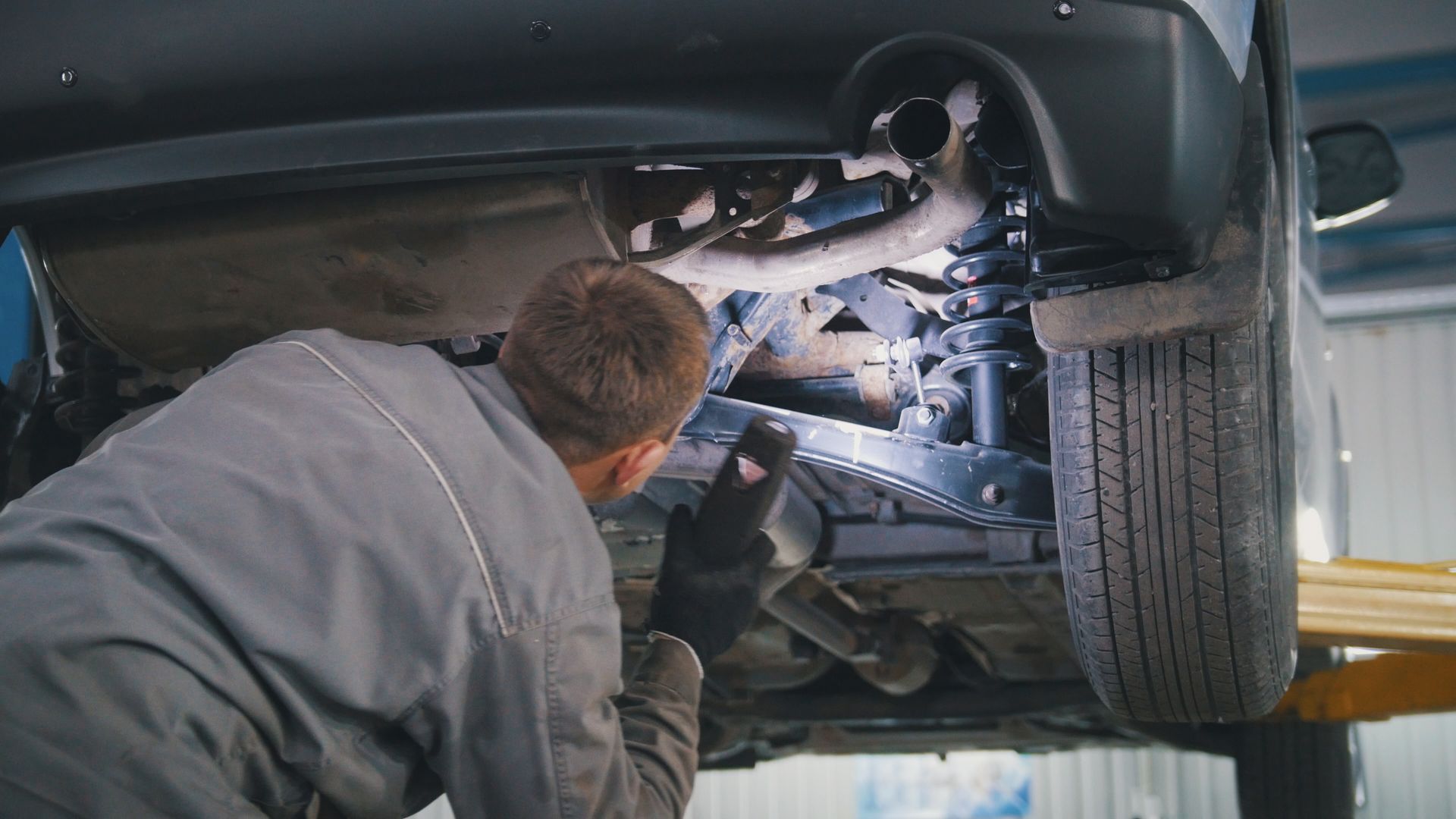
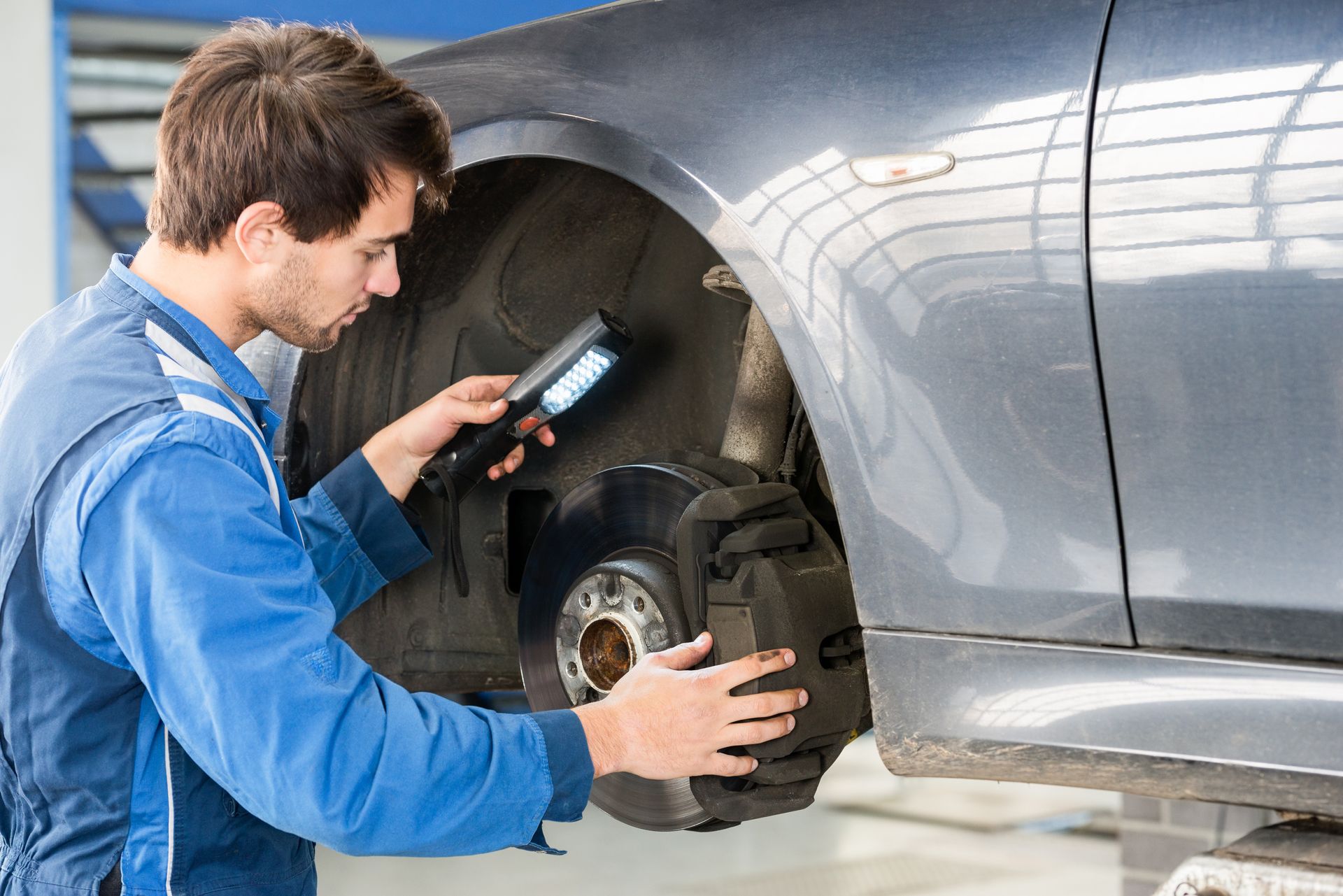
A proper inspection checks coolant condition, system pressure, and the condition of related components. That helps identify leaks, buildup, or worn parts before they lead to larger issues.
Catching those signs early gives you a better chance of keeping the repair focused on maintenance instead of dealing with major cooling system or engine damage later.
Get Coolant Service In Middleburg, PA, With Neil's Garage
If you are not sure whether your cooling system is due for service, Neil's Garage in Middleburg, PA, will inspect the coolant condition and help you decide whether a flush is the right next step.
A healthy cooling system gives your engine a much better chance of staying that way.