
The serpentine belt transfers engine power to important accessories such as the alternator, air conditioning compressor, power steering pump on equipped vehicles, and sometimes the water pump. One continuous belt winds around several pulleys, while an automatic tensioner keeps it tight enough to operate each component.
When the belt becomes worn, contaminated, stretched, or damaged, it may slip, make noise, or break without much warning. Because several systems depend on the same belt, one failure can leave the vehicle without battery charging, steering assistance, cabin cooling, or proper coolant circulation.
How Long Does a Serpentine Belt Usually Last?
Many modern serpentine belts remain usable for approximately 60,000 to 100,000 miles, but mileage is only a general reference. Belt material, engine heat, pulley alignment, oil exposure, driving conditions, and vehicle age all influence service life.
The manufacturer’s maintenance schedule should be reviewed first. Even when no fixed replacement interval is listed, the belt should be checked periodically for wear. A vehicle driven infrequently may still need a belt because rubber hardens and loses flexibility as it ages.
Modern belts are often made from EPDM rubber, which does not always develop the deep surface cracks commonly seen on older neoprene belts. A belt can look relatively clean while its ribs have worn enough to reduce pulley contact. Technicians may use a belt-wear gauge rather than relying only on visible cracking.
Warning Signs the Belt Is Wearing Out
A worn belt may produce squealing during startup, when the air conditioning turns on, or while the steering system is placed under load. Noise occurs when the belt slips across a pulley or cannot maintain firm contact with the accessory drive.
Visible damage can also provide clear warning. The belt should be replaced when it has missing rib sections, frayed edges, exposed internal cords, glazing, separation between layers, or contamination that cannot be removed safely.
Other warning signs include:
- A chirping sound that follows engine speed
- A battery warning light
- Intermittent power steering assistance
- A/C performance that changes with engine speed
- A belt that moves excessively while the engine runs
- Rubber dust around the pulleys
- A tensioner that shakes or reaches the end of its travel
Noise does not always mean the belt itself has failed. A worn tensioner, rough pulley bearing, misaligned accessory, or damaged harmonic balancer can create the same sound.
Oil and Coolant Can Damage the Belt
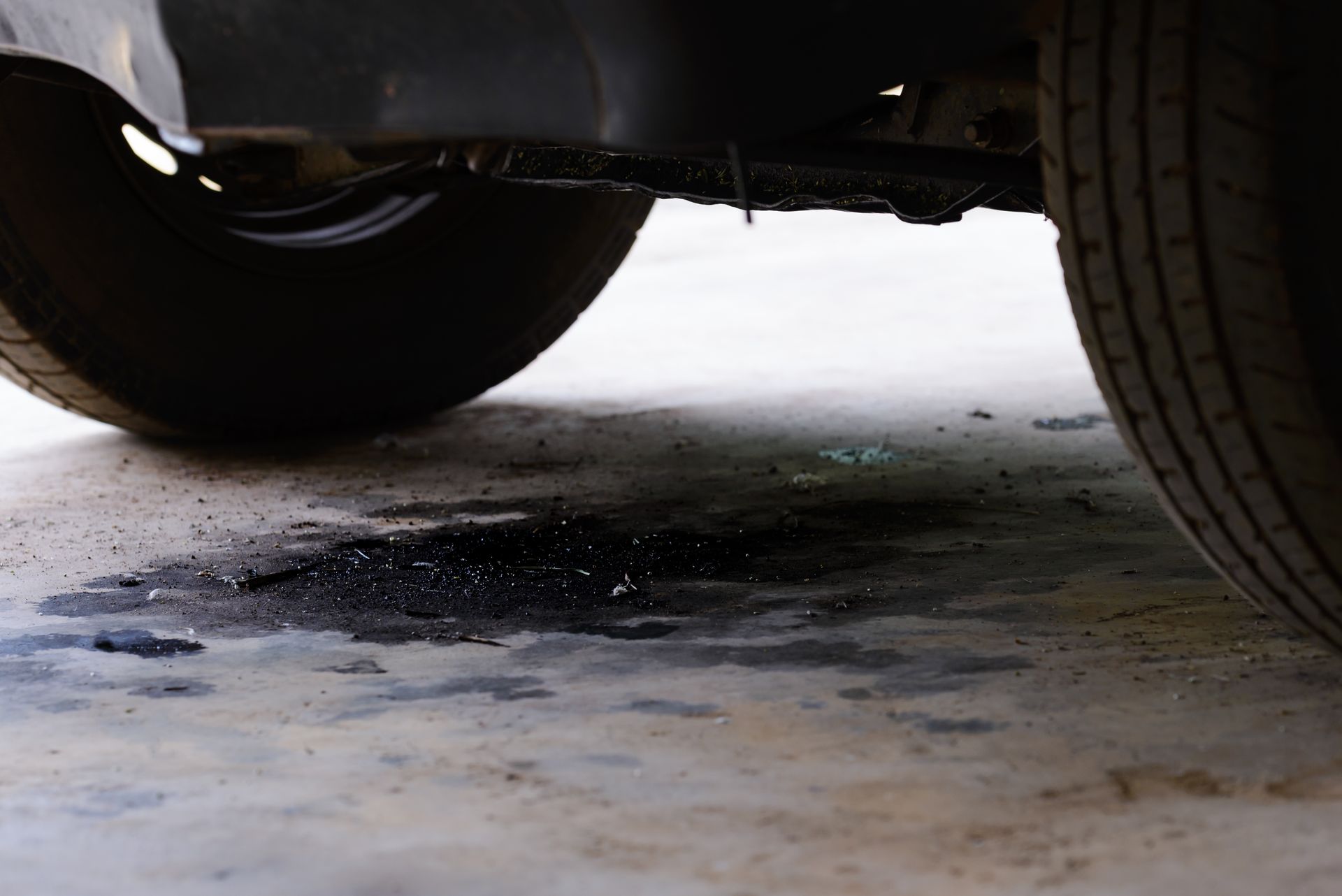
Engine oil, power steering fluid, and coolant weaken belt material and reduce friction between the ribs and pulleys. A contaminated belt may swell, soften, become sticky, or begin separating along its edges.
Replacing the belt without repairing the leak exposes the new part to the same damage. Common leak sources include valve cover gaskets, front engine seals, water pumps, coolant housings, and hydraulic power steering components.
A leaking fluid can also spread into the tensioner or pulley bearings. The repair should include cleaning the belt path, correcting the fluid source, and checking every affected component before installing the new belt.
Why the Tensioner and Pulleys Need Attention
The belt tensioner contains a spring and pivot mechanism that maintain the correct belt pressure as engine speed changes. If the spring weakens or the pivot wears, the belt can flutter, slip, or move out of alignment.
Idler pulleys and accessory pulleys contain bearings that must rotate freely. A rough, loose, or seized bearing can rapidly damage the belt. A pulley with side-to-side movement may force the belt toward the edge until it frays or comes off.
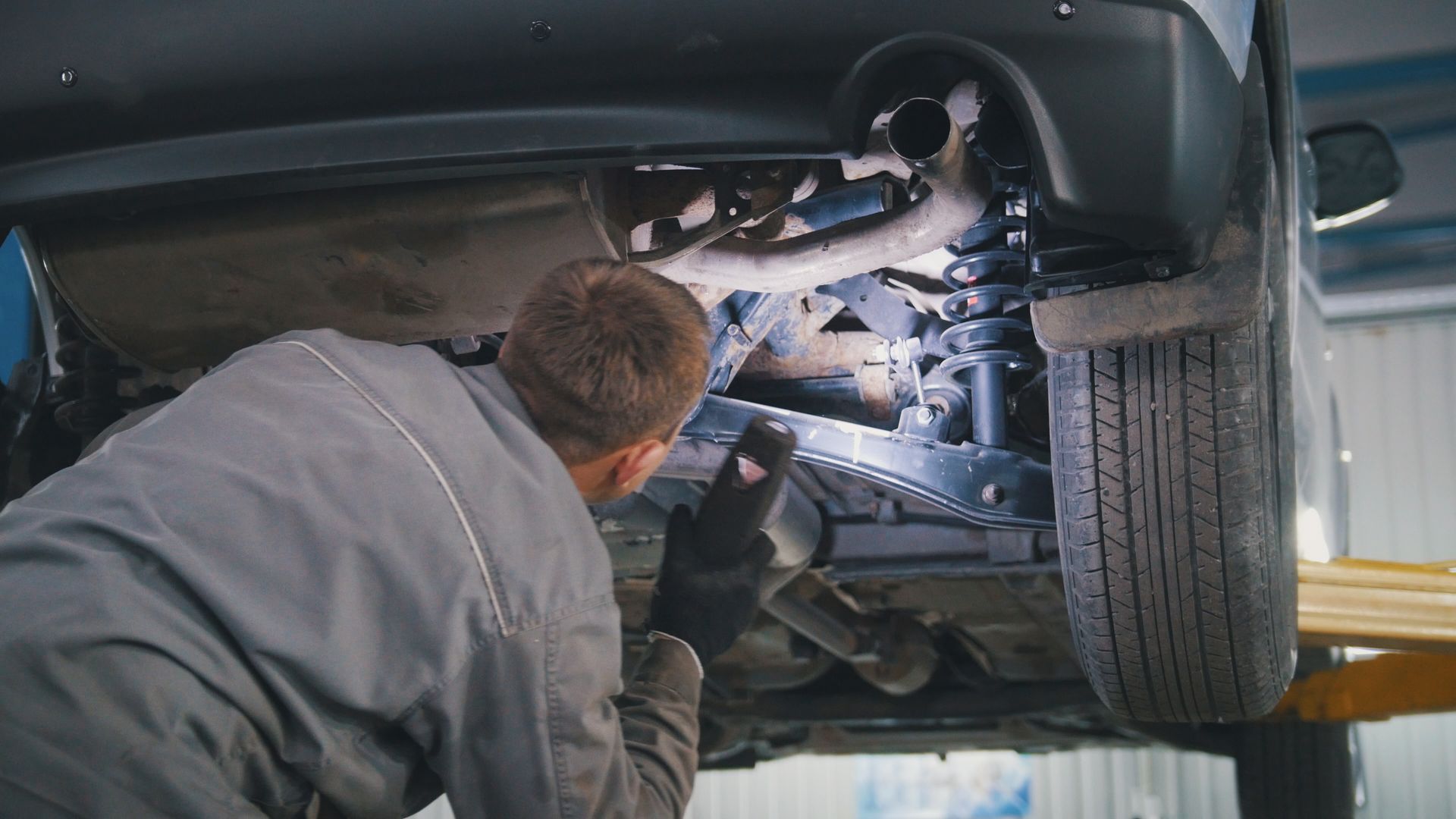
During an inspection, technicians check:
- Tensioner position and movement
- Pulley alignment
- Bearing noise and roughness
- Accessory shaft movement
- Belt routing
- Harmonic balancer condition
- Signs of fluid contamination
Installing a new belt on a seized pulley can cause the replacement to break almost immediately. The complete drive system must be evaluated rather than treating the belt as an isolated part.
What Happens When the Serpentine Belt Breaks?
The immediate effects depend on which accessories the belt drives. The alternator usually stops turning, so the battery warning light comes on and the vehicle begins operating only on stored battery power. Once voltage falls far enough, control modules, ignition components, fuel systems, lighting, and steering systems can stop operating.
Vehicles with belt-driven hydraulic power steering can suddenly become much harder to steer. The steering wheel still turns mechanically, but far more effort is required, especially at low speed.
If the belt drives the water pump, coolant circulation can stop, and the engine may overheat within minutes. Continuing to drive can damage cylinder heads, head gaskets, pistons, and other internal components. The safest response is to pull over and shut the engine off as soon as possible.
Some engines use a separate timing belt or timing chain, so a broken serpentine belt does not usually disturb valve timing. However, shredded belt material can sometimes become trapped near crankshaft seals or timing covers and cause additional damage.
What To Do If the Belt Breaks While Driving
A battery warning, sudden heavy steering, rising temperature gauge, and loss of air conditioning at the same time strongly suggest an accessory belt problem. Turn on the hazard lights, reduce speed, and move away from traffic without making abrupt steering inputs.
Stop the engine immediately if the temperature begins rising. Do not attempt to continue toward a repair shop when the water pump is no longer operating. Even a short drive with inadequate coolant circulation can turn a belt replacement into major engine work.
Do not reach into the belt area while the engine is running. Loose belt material, pulleys, and cooling fans can move unexpectedly. The vehicle should be towed when the belt has broken, come off the pulleys, or become severely damaged.
Can a Belt Be Reinstalled After It Comes Off?
A belt that has slipped off should not simply be placed back on without finding out why it moved. Misalignment, a failed tensioner, a seized pulley, loose accessory mounting, or a damaged crankshaft pulley may be responsible.
The belt should also be checked for stretched ribs, torn edges, heat damage, and embedded debris. Reusing a damaged belt can lead to another failure. Correct routing is essential because one misplaced section can cause an accessory to rotate incorrectly or allow the belt to contact nearby parts.
Regular maintenance allows technicians to identify belt wear, fluid contamination, and noisy pulley bearings before the drive system fails. Replacement timing should be based on vehicle specifications, age, measured wear, and the condition of the entire accessory drive.
Get Serpentine Belt Replacement In Middleburg, PA, With Neil's Garage
Neil's Garage in Middleburg, PA, can check your serpentine belt, tensioner, pulleys, accessory bearings, fluid leaks, and belt alignment.